


Which treatment matches your wrinkles, rather than the treatment with the strongest reputation? The answer depends on the mechanism behind the line. Repeated muscle movement creates dynamic wrinkles, while volume loss, reduced collagen, sun damage and changes in overall skin quality require different approaches.
This guide ranks eight best anti wrinkle treatments by the problem they're designed to address. It distinguishes home-based skincare and prescribed medication from professional procedures and injectable treatments, because these options differ in how they work, how quickly results appear, recovery, regulation and suitability.
Prescription-only treatments require clinician oversight. If you use an online pharmacy, check that it's a UK-registered pharmacy regulated by the GPhC. Injectable treatments and aesthetic procedures also require an appropriate clinical consultation, product checks, documented consent and a clear plan for managing complications. The NHS, NICE, MHRA and peer-reviewed evidence can help inform that process, but none replaces an assessment of your health, skin and expectations.
Results are usually temporary or gradual, and maintenance may be necessary. No option is universally best, and combining treatments should be staged rather than performed all at once.
Reviewed by: Qualified healthcare professional
Review date: 12 September 2026
“This content is for informational purposes only and does not constitute medical advice. Always consult a qualified healthcare professional before starting or changing any treatment.”
Table of Contents
- 1. Botulinum Toxin Injections
- 2. Dermal Fillers
- 3. Topical Retinoids and Retinol
- 4. Chemical Peels
- 5. Microneedling and Radiofrequency Microneedling
- 6. Skin Boosters and Polynucleotides
- 7. Laser Resurfacing
- 8. Combination Approach
- Top 8 Anti-Wrinkle Treatments Comparison
- Choosing a Safe, Realistic Treatment Plan
1. Botulinum Toxin Injections
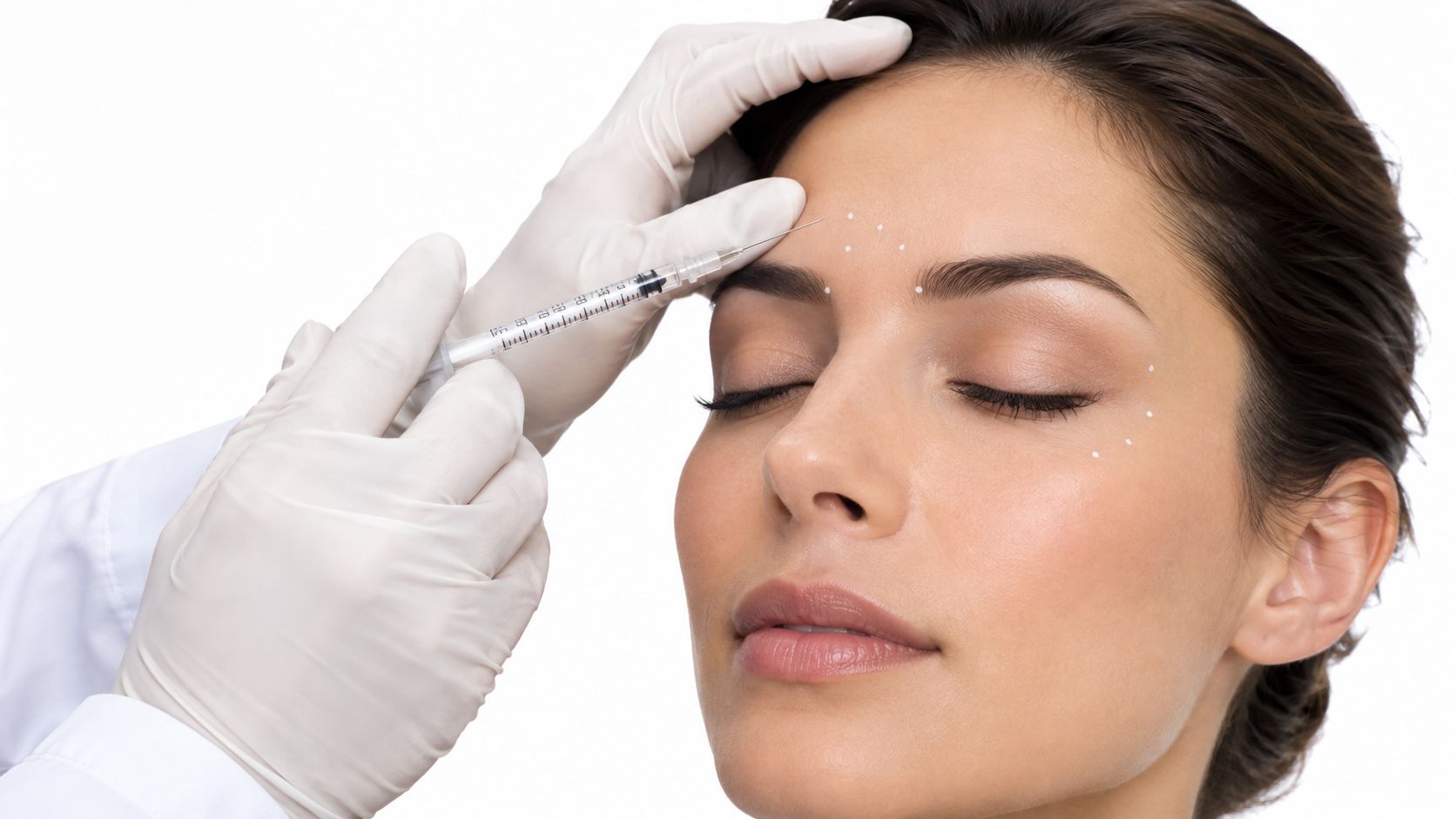
Botulinum toxin is the most direct option for dynamic wrinkles, the lines formed when facial muscles repeatedly contract. A prescriber assesses the relevant muscles, then a qualified healthcare professional injects the prescription-only medicine into selected sites. UK government guidance explains that botulinum toxin relaxes surrounding muscle and can smooth expression-related lines and wrinkles (UK government guidance on botulinum toxin).
The effect is temporary. Patients commonly notice change within days, with the result developing further over the following fortnight. It's most suited to movement-related forehead lines, frown lines and crow's feet, but it won't replace lost facial volume or repair sun-damaged skin.
Regulation and realistic expectations
In the UK, botulinum toxin used for anti-wrinkle treatment is a prescription-only medicine. NHS guidance says it can only be prescribed after consultation with an appropriate healthcare professional, such as a doctor or nurse (NHS guidance on choosing a cosmetic procedure provider).
Treatment should begin with a facial assessment and conservative planning. A responsible practitioner should discuss asymmetry, facial movement, contraindications, expected review arrangements and what happens if the result isn't as anticipated. The UK market is substantial, with a previously estimated 900,000 botulinum toxin injections carried out annually, according to analysis reported by University College London (UCL analysis of the UK aesthetic botulinum toxin industry). That scale makes practitioner standards and product traceability particularly important.
Practical rule: Don't choose a provider on price alone. Confirm who prescribes, who injects, which licensed product is used and how follow-up care works.
Aftercare instructions vary, but patients are commonly advised not to massage the area or lie down for a period after treatment and to avoid strenuous activity initially. Ask the treating clinician for product-specific advice. You can read more about the consultation and treatment pathway in this guide to anti-wrinkle injections.
Here's what the treatment looks like in clinical practice:
A UK real-world survey of 254 patients receiving prabotulinumtoxinA found that 83% rated treatment positively and 72% would choose the same product again (peer-reviewed UK survey). Those findings support informed repeat use, not a guarantee for an individual.
2. Dermal Fillers
Dermal fillers address a different mechanism, volume loss. Rather than relaxing muscle, injectable materials are placed beneath the skin to restore fullness, soften selected folds or support facial contours. Hyaluronic acid is widely used, while calcium hydroxylapatite and poly-L-lactic acid have different properties and treatment purposes.
The result can look immediate because the material adds volume at once, although swelling may temporarily obscure the final appearance. Hyaluronic acid fillers may be reversible with hyaluronidase in suitable circumstances, but reversibility doesn't make the procedure risk-free. Vascular complications, infection, nodules, asymmetry and unwanted contour changes require careful prevention and prompt clinical management.

When volume restoration makes sense
Fillers may suit a patient whose lines are made more visible by hollowing in areas such as the cheeks or temples. They're less appropriate when the principal problem is muscle movement or a rough, sun-damaged surface. Adding volume to a surface problem can produce an unnatural result without improving skin texture.
A consultation should cover the product, injection plane, expected swelling, alternatives and a complication plan. Product provenance matters. The MHRA warns against unlicensed or counterfeit botulinum toxin products, and the same principle of traceability should guide decisions about injectable aesthetic products generally (MHRA safety information).
Patients can expect bruising, tenderness and swelling after filler, with recovery depending on the area and product. Don't stop prescribed blood-thinning medicine without medical advice. Instead, tell the clinician about every medicine and supplement you take. Detailed preparation and recovery information is available in these dermal filler aftercare instructions.
Filler should restore proportion, not simply fill every visible line.
The best candidates usually want measured correction and understand that the clinician may recommend no treatment in a particular area. A staged plan can reveal how much correction is needed and reduce the temptation to over-treat.
3. Topical Retinoids and Retinol
Retinoids target collagen decline, fine lines, uneven texture and pigmentation through vitamin A activity in the skin. Over time, they influence cell turnover and support changes in the epidermis and dermis. Cosmetic retinol is available without a prescription, while stronger retinoids such as tretinoin, adapalene and tazarotene may require assessment and prescribed medication.
This is a slower option than an injectable. Visible improvement takes consistent use, and irritation can appear before the skin adapts. Dryness, redness, peeling and sensitivity are common reasons people abandon treatment too early, particularly when they start with a concentration or frequency their skin can't tolerate.
Building tolerance matters
Apply a small amount in the evening to dry skin, beginning infrequently and increasing only as tolerated. A fragrance-free moisturiser can support the skin barrier. Daytime broad-spectrum sunscreen is essential because retinoid users may become more sensitive to irritation and sun exposure.
A clinician should review pregnancy, breastfeeding, eczema, rosacea, current medicines and other active skincare products before recommending a prescription retinoid. Don't combine several strong actives during the initial adjustment period. Vitamin C, alpha hydroxy acids and beta hydroxy acids may all have a place in skincare, but introducing them together makes irritation harder to identify.
A useful distinction: retinoids change the biology of the skin gradually. They don't provide the immediate structural correction that filler or muscle relaxation can offer.
Retinoids are often the foundation of a longer-term plan because they're home-based and can be continued between procedures. They won't correct significant volume loss, deep movement-related creases or marked laxity on their own. Patients researching non-prescription products can also compare a drugstore retinol cream for every skin type, but product choice should still reflect skin tolerance rather than marketing language.
4. Chemical Peels
Chemical peels primarily address surface damage, including dullness, uneven texture and some pigmentation concerns. A clinician applies a controlled chemical solution that exfoliates part of the outer skin layers. Glycolic acid and salicylic acid are generally associated with more superficial treatment, while trichloroacetic acid, or TCA, can be used for deeper peeling with greater recovery requirements.
The main advantage is flexibility. A superficial peel may offer modest renewal with limited downtime and can be repeated as part of a planned course. A deeper peel may create a more pronounced response, but it also demands more careful patient selection, aftercare and sun avoidance.
Depth changes the risk profile
Temporary redness, tightness, stinging, flaking and sensitivity are possible. Pigmentary changes and prolonged irritation are important considerations, particularly for people with a history of post-inflammatory pigmentation or an impaired skin barrier. A consultation should examine skin type, active inflammation, cold sore history, current skincare and previous procedures.
Patients may be asked to pause retinoids or other active products before treatment. After a peel, gentle cleansing, moisturising and strict sun protection matter more than adding another active ingredient. Avoid picking peeling skin, and follow the provider's instructions about exercise, swimming, heat exposure and makeup.
A peel won't relax a forehead muscle or replace lost facial volume. Its strongest role is improving the surface on which other treatments may later be assessed. That makes it a useful option for a patient whose “wrinkles” are partly fine texture and photodamage rather than a single deep crease.
The clinician should explain the intended depth in plain language, including how long the skin may look visibly treated and when normal products can resume. A lower-intensity starting point can be sensible when the diagnosis is uncertain or the skin is reactive.
5. Microneedling and Radiofrequency Microneedling
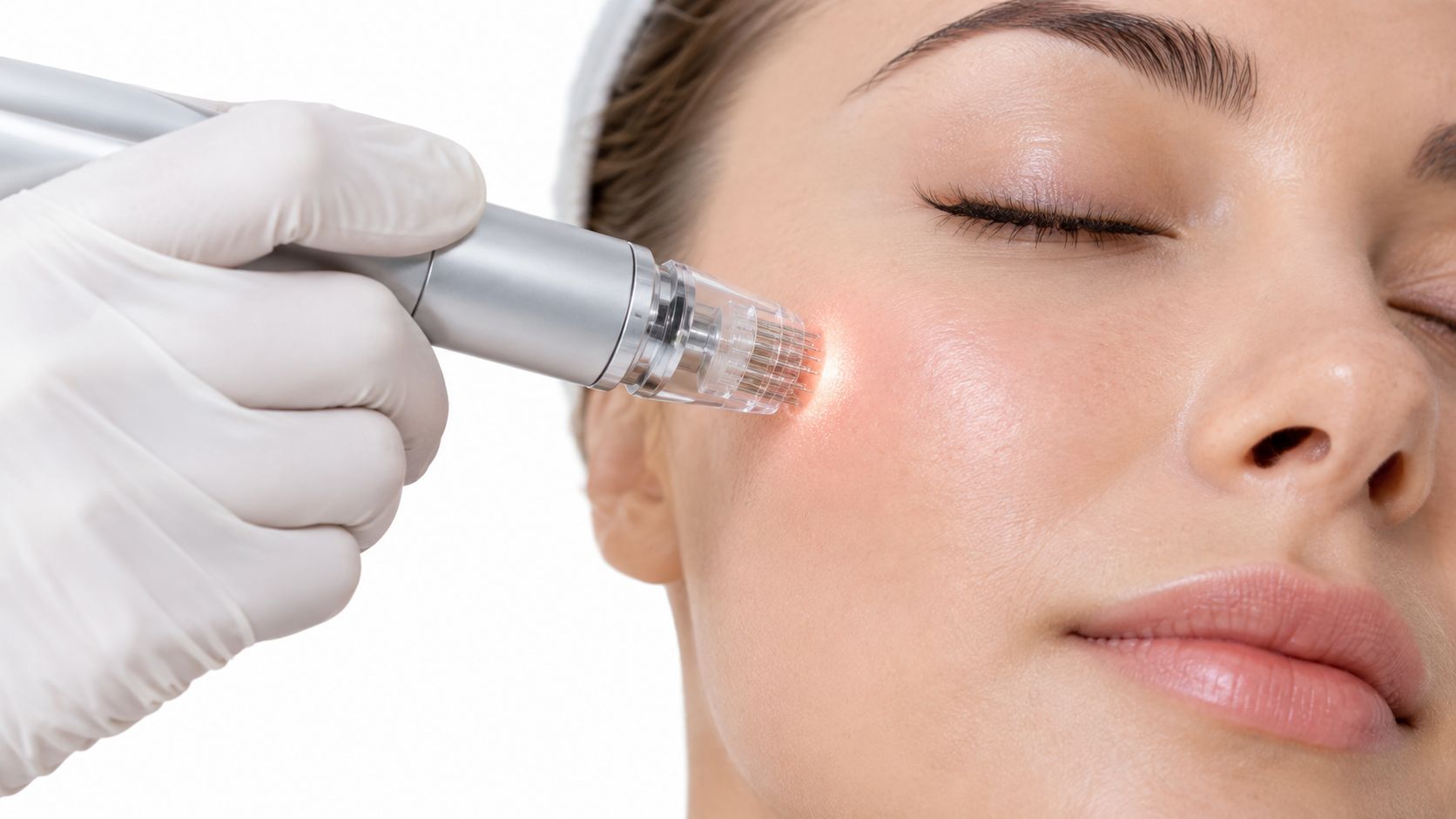
Microneedling addresses collagen decline and textural change by creating controlled micro-injuries in the skin. The repair response stimulates remodelling, which develops progressively rather than appearing immediately. Radiofrequency microneedling adds heat energy below the surface, combining needling with deeper thermal stimulation.
Traditional microneedling may suit fine lines, uneven texture and some scarring. RF microneedling may be considered when laxity and deeper remodelling are part of the concern, but the device, energy settings and treatment plan need to match the patient's skin and anatomy.
Gradual improvement, not instant smoothing
Redness and mild swelling commonly follow treatment. Makeup, active skincare and sun exposure may need to be restricted during the early recovery period. A practitioner should provide clear aftercare, explain infection prevention and identify symptoms that need review.
Results develop over weeks as collagen changes. Several sessions may be proposed, spaced far enough apart to allow the skin to recover. That makes microneedling unsuitable for someone seeking a rapid correction before an imminent event.
The procedure doesn't directly treat muscle-driven lines and doesn't restore facial volume. It can, however, improve the quality of the skin surrounding a wrinkle, which may make the overall appearance more even. Patients with active infection, uncontrolled inflammatory skin disease or a tendency towards abnormal scarring need careful assessment before treatment.
Clinical perspective: the device is only one part of the treatment. Needle depth, energy, hygiene, diagnosis and aftercare can affect safety as much as the device name.
Discuss whether conventional or RF microneedling is appropriate, who will perform it and what training they hold. A regulated clinic should be able to explain the device used, expected downtime and escalation pathway if healing is delayed.
6. Skin Boosters and Polynucleotides
Skin boosters and polynucleotides target overall skin quality, rather than a single fold or muscle. Skin boosters may use micro-injections of hyaluronic acid to improve hydration. Polynucleotides, sometimes described as salmon DNA treatments, are injected into the skin with the aim of supporting a smoother, more hydrated and elastic appearance.
These treatments aren't the same as traditional dermal fillers. They're generally intended to improve the skin's condition rather than create obvious contour or volume. The outcome is therefore more subtle and cumulative, and it can be difficult to judge after one session.
Suitability depends on the goal
A patient seeking softer texture, improved hydration or a refreshed appearance may find this category more relevant than filler. Someone with a deep dynamic forehead line or marked hollowing may need a different mechanism addressed first.
Micro-injections can cause temporary redness, swelling, tenderness or bruising. Tell the clinician about medicines that affect bleeding, allergies, previous reactions and any active skin conditions. Avoid introducing strong active skincare immediately after treatment unless the provider says it's suitable.
Polynucleotide products and skin boosters should be discussed in terms of product identity, intended use, evidence, consent and realistic limits. The term “salmon DNA” describes a source material, not a guarantee of effectiveness or suitability. Ask what is licensed or authorised for the intended use and how the provider manages adverse events.
A course may be suggested, followed by maintenance. The most coherent plans pair in-clinic skin quality treatment with daily photoprotection and an appropriate skincare routine, rather than presenting injections as a replacement for those foundations. Patients can read more about polynucleotides in Wakefield before discussing whether the treatment is relevant to their concerns.
7. Laser Resurfacing
Laser resurfacing is aimed at surface damage and deeper collagen remodelling. CO2 lasers remove damaged layers and deliver substantial thermal stimulation. Fractional lasers treat columns or portions of the skin, leaving untreated areas between them and often reducing recovery compared with fully ablative treatment.
The clinician chooses the laser and settings according to the condition being treated, skin type, history of pigmentary change and acceptable downtime. More aggressive treatment may create a stronger visible response, but it also requires more healing and carries a greater burden of aftercare.
Recovery is part of the treatment
Redness, swelling, peeling, sensitivity and temporary changes in pigmentation can occur. Patients may need time away from work and should prepare for a period of careful cleansing, moisturising and sun avoidance. Strict SPF use after treatment is not optional, because ultraviolet exposure can worsen irritation and pigmentary problems.
Laser resurfacing can improve fine lines and texture, but it isn't a substitute for muscle relaxation when facial movement is the main driver. It also can't automatically restore lost volume. A patient with several mechanisms involved may benefit from a staged plan, with the laser scheduled separately from injectables or other procedures.
Choose a practitioner with relevant laser experience and ask which device is being used, whether treatment is fractional or fully ablative, what anaesthesia is required and how complications are managed. The provider should explain what improvement is realistic rather than using a generic “rejuvenation” promise.
Those comparing medical aesthetic laser options should treat the device name as a starting point, not a quality certification. Clinical assessment, settings and aftercare determine whether the procedure is appropriate.
8. Combination Approach
A combination approach addresses several mechanisms in a staged protocol. Prescription skincare may support collagen and surface quality, botulinum toxin may reduce selected muscle movement, filler may address volume loss, and procedures such as microneedling, peels or laser may target texture and photodamage.
This approach can be more logical than asking one treatment to correct every type of wrinkle. It also creates more opportunities for over-treatment if the plan isn't co-ordinated. Each stage should have a defined purpose, a recovery period and a review point before another procedure is added.
Staging protects judgement
A consultation should begin with diagnosis rather than a menu of products. The clinician can identify whether the principal concern is muscle movement, volume, collagen, surface damage or general skin quality. The plan may then start with a tolerated home routine and proceed to an in-clinic treatment only when the skin is stable.
Spacing matters. Performing several procedures close together can make swelling, irritation and the final result harder to interpret. Baseline photographs and interval reviews can help the patient and clinician assess change without relying on memory.
Best practice: Treat the mechanism that contributes most to the concern first, then reassess before adding another layer.
Combination care also requires clear responsibility. One clinician or co-ordinated team should know which products were used, where they were administered and what aftercare was given. That record becomes particularly important if a patient moves between an online pharmacy, an in person aesthetics clinic offering botox, dermal fillers, skin boosters and polynucleotides (salmon DNA), and other providers.
Photoprotection remains relevant throughout. A multi-treatment plan can't compensate for continued ultraviolet exposure, unsuitable skincare or unrealistic expectations. The safest plan is usually the one that produces an understandable change while preserving natural facial movement and proportion.
Top 8 Anti-Wrinkle Treatments Comparison
| Treatment | Implementation Complexity 🔄 | Resource Requirements ⚡ | Expected Outcomes ⭐📊 | Ideal Use Cases 📊 | Key Advantages 💡⭐ |
|---|---|---|---|---|---|
| Botulinum Toxin (Botox) Injections | Low–Moderate: quick. Requires trained prescriber and injection skill. | Single clinic visit; minimal downtime; repeat every 12–16 weeks. | Rapid reduction of dynamic lines; visible 3–14 days; ⭐⭐⭐⭐ | Dynamic upper‑face lines; prevention in younger patients. | Reversible, fast, customisable, minimal recovery. |
| Dermal Fillers (HA, CaHA, PLLA) | Moderate: advanced anatomy and injection technique needed. | Clinic procedure; immediate results; maintenance 6–24+ months; cost varies. | Immediate volume restoration and wrinkle filling; optimise over 2 weeks; ⭐⭐⭐⭐ | Volume loss, nasolabial folds, lips, cheeks, under‑eye hollows. | Immediate effect, HA reversible, versatile applications. |
| Topical Retinoids and Retinol | Low: home application but needs adherence and titration. | OTC or prescription; low-cost; months to see change (8–12 weeks); no downtime. | Gradual collagen stimulation, improved texture/pigmentation; preventive; ⭐⭐⭐ | Early photoaging, maintenance, acne and pigmentation management. | Strong evidence base, cost‑effective, multi‑benefit topical therapy. |
| Chemical Peels (Glycolic, Salicylic, TCA) | Moderate: depth selection and expertise important. | Clinic sessions; superficial repeatable (2–4w); medium peels have downtime (5–7d). | Improves texture, pigmentation and fine lines; variable depth effect; ⭐⭐⭐ | Photoaging with texture/pigmentation concerns; pre‑procedural skin prep. | Scalable intensity, relatively affordable, clinically effective. |
| Microneedling & RF Microneedling | Moderate–High: device settings and depth must be individualised. | Multiple sessions (3–6); short downtime (24–48h); topical anaesthetic often used. | Progressive collagen remodelling; meaningful tightening/scar improvement over months; ⭐⭐⭐⭐ | Skin laxity, acne scarring, deeper wrinkles, darker skin types. | Strong collagen stimulation, non‑surgical tightening, good for all skin tones. |
| Skin Boosters & Polynucleotides | Low–Moderate: multiple micro‑injections; technique matters. | Series of sessions (2–3); subtle cumulative results; minimal downtime. | Subtle improvement in hydration, elasticity and skin quality over weeks; ⭐⭐⭐ | Improving overall skin quality, prevention, complementary to other treatments. | Natural‑appearing, low downtime, complements other modalities. |
| Laser Resurfacing (CO2 / Fractional) | High: specialist training and careful calibration required. | Single or few sessions; significant downtime (5–21+ days depending on device); strict aftercare. | Most dramatic resurfacing; deep wrinkle and texture correction with long‑lasting results; ⭐⭐⭐⭐⭐ | Advanced photoaging, deep wrinkles, severe textural damage, scarring. | Highest efficacy short of surgery; long‑lasting, can mimic surgical outcomes. |
| Combination Approach: Integrated Protocol | High: coordinated staging and multidisciplinary oversight. | Multiple modalities over months; higher cost and time commitment; ongoing maintenance. | Synergistic, superior cumulative results addressing multiple mechanisms; ⭐⭐⭐⭐⭐ | Comprehensive rejuvenation, mixed concerns, patients wanting optimal long‑term outcomes. | Combines immediate and structural gains; personalised and preventative strategy. |
Choosing a Safe, Realistic Treatment Plan
The ranking is a suitability guide, not a universal prescription. Dynamic lines may justify an assessment for botulinum toxin. Volume loss may lead to a discussion about dermal fillers. Texture and photoageing may be better matched to retinoids, chemical peels, microneedling or laser resurfacing. Skin boosters and polynucleotides may be considered when the aim is improved skin quality rather than structural correction.
The UK regulatory context should shape the decision. Botulinum toxin is a prescription-only medicine, and authorised products must be supplied in accordance with a prescription from an appropriate prescriber. The MHRA warns about unlicensed and counterfeit products and advises patients to seek urgent medical help if they develop symptoms such as difficulty swallowing, slurred speech, breathing difficulty or muscle weakness after botulinum toxin treatment (MHRA safety update).
England also has a specific age restriction. Since 1 October 2021, administering botulinum toxin or cosmetic fillers by injection for cosmetic purposes to anyone under 18 has been a criminal offence under the Botulinum Toxin and Cosmetic Fillers (Children) Act (NHS cosmetic procedure guidance). The NHS generally doesn't fund botulinum toxin for facial ageing or excessive wrinkles, as reflected in NHS commissioning policy (NHS commissioning policy).
Questions to ask before treatment
- What type of wrinkle is being treated? Ask whether movement, volume, collagen, surface damage or skin quality is the main cause.
- What downtime should I expect? Get a realistic recovery plan, not just the treatment duration.
- What are the alternatives? A clinician should explain lower-intensity, non-injectable and no-treatment options where relevant.
- Who prescribes and administers the treatment? Confirm professional registration, prescribing responsibility and practical experience.
- How are complications managed? Ask who to contact outside normal opening hours and where urgent care would take place.
- Is the provider appropriately regulated? Verify the pharmacy, clinic, product supply chain and consent process.
The UK market also varies considerably by geography and provider. Analysis of 990 UK clinics reported median prices of £170 for one treatment area, £220 for two areas and £270 for three areas, with Central London around 35% more expensive than the North of England for the same service (UK aesthetic pricing analysis). The same analysis found a single-area price range from £100 to £250, a 2.5-fold difference between the lower and higher ends. Price should therefore be compared with prescribing, assessment, product traceability, follow-up and complication management, not viewed in isolation.
For information about prescribed medication and online pharmacy consultations, readers can review XO Medical's services. XO Medical is described by the publisher as a UK-registered online pharmacy regulated by the GPhC, with clinician-led online consultations. Patients considering an in-person service can explore XO Clinic's medically led aesthetics offering, including botulinum toxin, dermal fillers, skin boosters and polynucleotides. These services should still begin with an appropriate clinical consultation and individual suitability assessment.
The most useful anti-ageing plan is usually the one you can follow safely. Protect your skin from ultraviolet exposure, use prescribed medication only under appropriate supervision, and review results before escalating treatment. For further skincare context, see this guide on how to pick the right anti-ageing moisturising cream.
“This content is for informational purposes only and does not constitute medical advice. Always consult a qualified healthcare professional before starting or changing any treatment.”
XO offers clinician-led online pharmacy consultations through XO Medical and medically led in-person aesthetics through XO Clinic, including anti-wrinkle injections, dermal fillers, skin boosters and polynucleotides. Visit XO to explore regulated treatment information and choose the appropriate consultation route for your needs.


0 comments