


You notice more hair than usual on your pillow, in the shower drain, or across your hairbrush. Perhaps the stressful period that seemed to cause it has already passed, which makes the timing especially unsettling. It's natural to wonder whether the shedding means permanent baldness, but the timing and pattern often point to a temporary process called telogen effluvium.
Table of Contents
- Introduction - Recognising Stress-Related Shedding
- Understanding Telogen Effluvium and the Hair Cycle
- Identifying Triggers and the Delayed Onset
- Diagnosis and Ruling Out Other Causes
- Management Strategies and Treatment Options
- Recovery Timeline and When to Seek Help
Introduction - Recognising Stress-Related Shedding
Stress-related hair loss is most commonly associated with telogen effluvium, or TE, a temporary disruption of the hair-growth cycle. Psychological stress, stressful life events, illness and other major physical changes are recognised triggers by the British Association of Dermatologists.
The important detail is that shedding is often delayed. Increased hair loss may become noticeable around two to three months after the triggering event, rather than during the crisis itself, because affected hairs remain in a resting phase before they are released. This can lead you to blame the wrong event. You may be coping better now, while your follicles are only just showing the effects of an earlier period of strain.

What the pattern often looks like
TE usually causes diffuse shedding, meaning the reduction in density is spread across the scalp rather than forming one sharply defined bald patch. You might notice less volume in a ponytail, a wider-looking parting, or more hair on your hands when washing it.
The experience can still be distressing. Hair affects appearance, identity and confidence, and a UK dermatology conference study reported psychological distress, reduced self-esteem and impaired social functioning among women with hair loss. Reassurance should therefore never mean dismissing how upsetting the change feels.
Recovery is generally favourable. NHS information states that TE usually resolves completely within six to nine months. The shedding phase and the return of visible volume aren't always synchronised, so improvement can feel slow even when the follicles are recovering.
A useful patient resource is this guide to stopping stress hair loss, particularly if you want practical information about coping with the condition. It shouldn't replace an assessment, because stress is only one possible contributor to diffuse hair loss.
Understanding Telogen Effluvium and the Hair Cycle
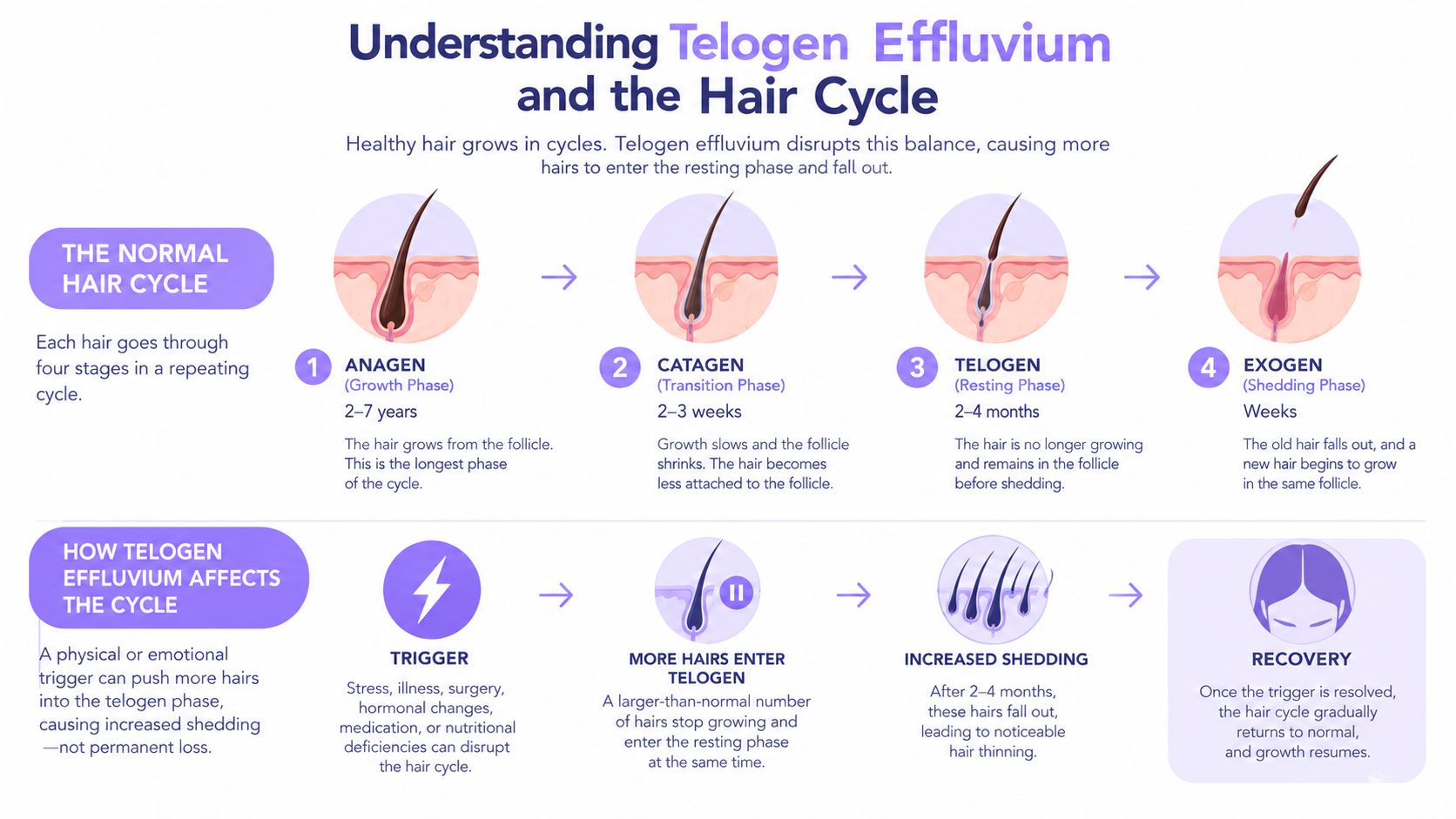
Each follicle follows a repeating cycle, rather like a production line in which individual hairs move through different stages at different times. This staggered arrangement means the scalp normally maintains fairly stable coverage.
The main stages are:
- Anagen: The active growth phase, when the follicle produces a hair shaft.
- Catagen: A short transition phase, when growth slows and the follicle changes.
- Telogen: The resting phase, after which the old hair is released and the follicle can begin another cycle.
A significant physical or psychological stressor can act as a shock to this system. Instead of follicles entering the resting phase in their usual staggered pattern, an unusually large proportion may shift at roughly the same time. Those follicles don't immediately release their hairs, which is why the visible loss follows the trigger rather than occurring during it.
Why TE differs from permanent-looking thinning
TE is a non-scarring disorder. The follicle isn't destroyed, so it can usually produce a new hair after the resting and shedding process has passed. The British Association of Dermatologists describes the shedding as diffuse across the scalp, and reports that the increased shedding phase generally lasts around three to six months before regrowth begins. See the British Association of Dermatologists information on telogen effluvium for further clinical detail.
That differs from patterned hair loss, where thinning follows a characteristic distribution and tends to progress gradually. It also differs from scarring disorders, in which inflammation can damage follicles. These conditions can coexist with TE, so the pattern alone doesn't establish a diagnosis.
The mechanism also explains why reducing today's stress may not stop tomorrow's shedding. The follicles affected earlier still have to complete their biological sequence. Stress management remains important for overall health and may help prevent further triggers, but it can't instantly reset hairs already in the resting phase.
Identifying Triggers and the Delayed Onset
The most useful question isn't always, “How stressed am I today?” It's often, “What happened to my body or circumstances around three months ago?” The resting phase of the hair cycle lasts approximately 100 days, equivalent to around three months, so visible shedding commonly appears three to four months after pregnancy or another major physical or psychological event, as explained in UK dermatology guidance on telogen effluvium.
Look backwards on the timeline
Write down when you first noticed increased shedding, then review the preceding months. Relevant events can include:
- Psychological strain: Prolonged anxiety, bereavement, depression, workplace pressure or another major life event.
- Physical illness: Severe infection, fever or another substantial illness.
- Medical procedures: Surgery or significant physical recovery.
- Body-weight changes: Rapid weight loss or extreme dietary restriction.
- Hormonal events: Pregnancy and other major hormonal changes.
- Medicines and nutrition: Medication changes, nutritional change, iron deficiency or inadequate dietary intake.
This timeline doesn't prove that stress caused the loss. It helps a clinician decide which explanations deserve attention and whether more than one trigger may be involved.
Why the most recent stressful event may mislead you
Suppose you experienced intense pressure in early spring, felt more settled by summer, and noticed shedding in early summer. The hair loss may relate to the earlier period rather than to a minor concern that occurred immediately before you saw the first loose hairs.
That distinction matters because treatment should address the underlying situation, not just the visible symptom. An assessment may need to consider illness, surgery, nutritional change, hormonal events, thyroid disease and iron disorders. The NHS information linked above also states that approximately 30% of TE cases have no identifiable cause, so an apparently convincing stress story shouldn't end the investigation.
Diagnosis and Ruling Out Other Causes
There isn't a single blood test that proves stress is responsible for hair loss. UK clinical guidance says healthcare professionals generally use a structured history and examination of the scalp, hair density and distribution. The City and Hackney GP hair-loss pathway highlights the relevance of timing, scalp symptoms, diet, menstrual and hormonal history, medicines, family history, autoimmunity, physical symptoms and stress or depression.
What a clinician compares
| Feature | More compatible with TE | May suggest another cause |
|---|---|---|
| Distribution | Widespread reduction in density | A characteristic patterned distribution or discrete patches |
| Timing | Noticeable shedding after a major event | Gradual progression without a clear trigger |
| Scalp | Often no major scalp abnormality | Inflammation, scaling, pain or other scalp symptoms |
| History | Illness, stress, surgery, weight loss or medication change | Family history, hormonal symptoms or autoimmune features |
| Course | A shedding phase followed by regrowth | Persistent, worsening or atypical loss |
This comparison is a guide, not a self-diagnosis. Male- or female-pattern hair loss can be present alongside TE, and patchy loss may indicate a different form of alopecia. A Devon NHS source reports that pattern hair loss by age 50 affects about half of men and one quarter of women, while approximately 2% of people develop alopecia areata at some point, so common hereditary or immune-related conditions must remain part of the clinical picture. Further context is available in this educational resource about androgenetic alopecia.
When investigations may help
Where clinically indicated, a prescriber may arrange investigations to look for reversible contributors such as iron deficiency or thyroid disease. Normal results don't always end the assessment if shedding continues, because the clinician may need to consider chronic TE, diffuse alopecia areata, hormonal factors, scalp disease or medication effects.
An online pharmacy can be convenient, but convenience shouldn't remove clinical judgement. A UK-registered pharmacy should use an appropriate consultation and prescriber oversight before supplying any prescription-only treatment. If the diagnosis is uncertain, medication shouldn't be offered automatically.
Management Strategies and Treatment Options
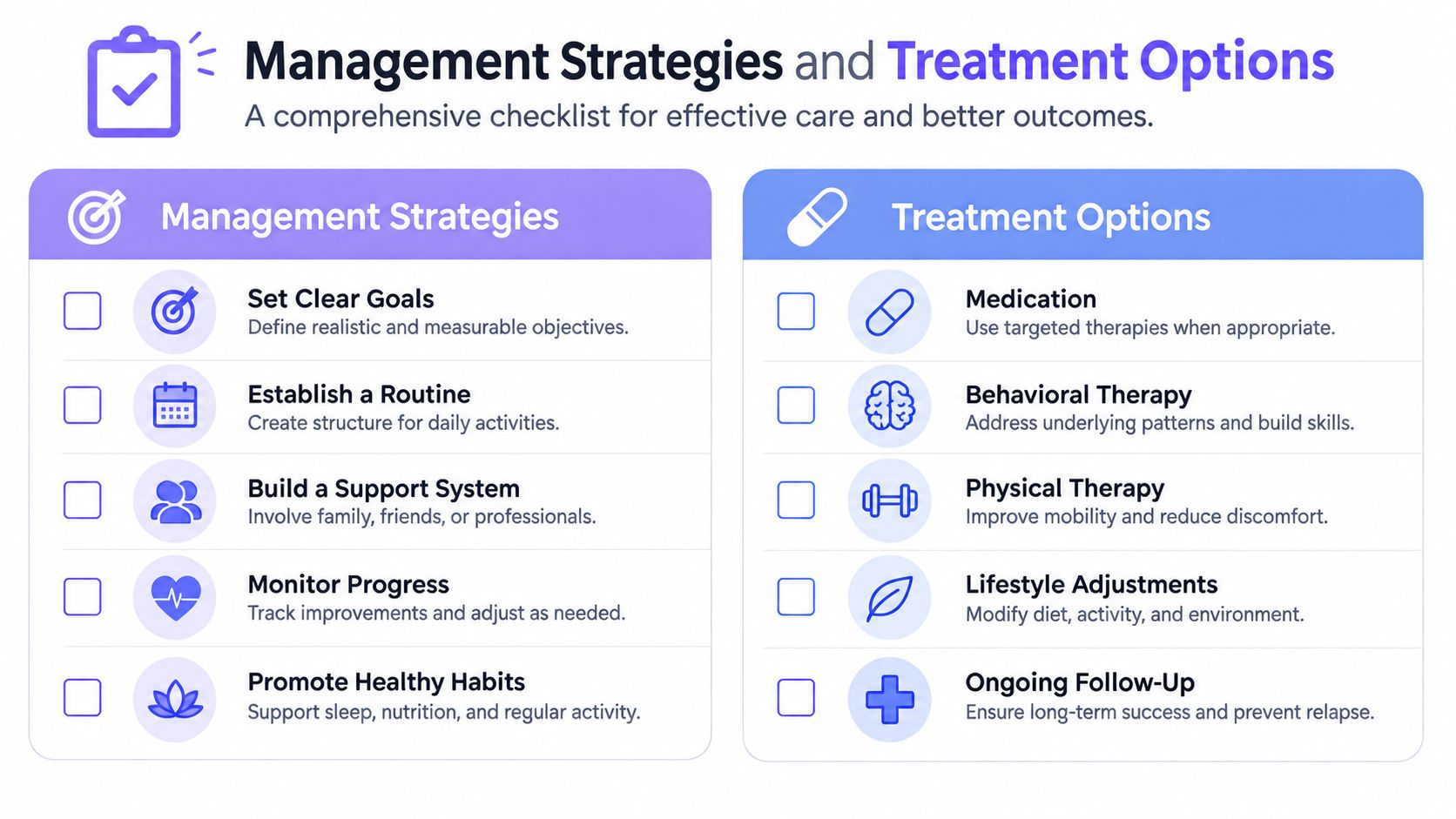
Management starts with protecting the hair and addressing the circumstances that may be driving further shedding. The aim isn't to force instant regrowth. It's to remove avoidable stressors on the follicles, support general health and make sure another condition hasn't been missed.
A practical recovery approach
- Review the trigger. Record illness, operations, major stress, weight change, dietary restriction and medication changes in a simple timeline.
- Eat consistently. Maintain adequate protein and include iron-containing foods. Avoid crash dieting, because marked nutritional change can itself contribute to shedding.
- Reduce physical handling. Avoid tight hairstyles, harsh chemical treatments, excessive heat and aggressive brushing while the scalp is recovering.
- Support stress recovery. Sleep, manageable activity, psychological support and practical coping strategies can all be relevant. A separate stress coping strategies guide may help you identify techniques that fit your circumstances, although it isn't a substitute for medical assessment.
- Monitor without repeatedly testing. Occasional photographs taken in consistent lighting can be more useful than checking the shower drain several times a day. Excessive checking can increase anxiety without clarifying the diagnosis.
The British Association of Dermatologists states that the increased shedding phase generally lasts three to six months. After that, new hair begins to grow, but overall volume and thickness may take many additional months to look normal. In uncomplicated TE, the condition commonly improves once the trigger has resolved, and medication doesn't speed up this natural regrowth process. This is explained in the British Association of Dermatologists patient guidance.
Where prescribed treatment fits
A topical treatment or prescribed medicine may be appropriate for a particular diagnosis, but it isn't automatically suitable for stress-related shedding. Prescription-only medicines require assessment by an authorised prescriber, consideration of medical history and appropriate follow-up.
An online pharmacy can provide a remote consultation, while an in-person clinician can examine the scalp directly. XO Medical offers consultation-led hair-loss care in which UK-registered clinicians review symptoms and medical history before considering daily tablets or topical sprays where clinically appropriate. It operates as a pharmacy regulated by the GPhC, but an assessment doesn't guarantee that medication will be prescribed.
For broader background on clinically discussed options, read treatments for thinning hair. Be cautious with supplements marketed as solutions. Taking iron or other nutrients without a confirmed need may be unhelpful, and treatment should target an identified deficiency rather than the fear created by shedding.
Recovery Timeline and When to Seek Help
Hair recovery has two separate clocks. The first is the period of active shedding. The second is the slower process by which new hairs grow and regain enough length and density to look substantial. The British Association of Dermatologists describes the increased shedding phase as three to six months, while NHS information states that TE usually resolves completely within six to nine months. New growth may still take longer to look cosmetically significant.
Use the pattern and course as guides
Sudden, widespread shedding that begins a few months after major stress is more compatible with TE than gradual recession in a characteristic pattern. The Devon NHS hair-loss guidance distinguishes stress-related diffuse loss from patterned or scarring conditions and explains why timing and distribution matter.
Arrange a clinical assessment if:
- Shedding continues heavily: Ongoing loss beyond several months deserves review, particularly if it isn't settling.
- The pattern changes: New patchy bald areas, clear recession or rapidly progressive thinning need assessment.
- The scalp becomes symptomatic: Pain, marked itching, inflammation, scaling or other changes shouldn't be attributed to stress without examination.
- Your general health changes: Fatigue, menstrual or hormonal changes, weight change or symptoms of thyroid disease may point to another contributor.
- The distress is significant: Hair loss can affect self-esteem and social functioning, so emotional impact is a valid reason to seek support.
You can start with a GP, dermatologist or appropriately regulated private service. An online consultation may be suitable for some presentations, but a physical examination is more important when loss is patchy, the scalp is inflamed or the diagnosis isn't clear. An assessment with a hair-loss specialist can help organise the history and decide whether further investigation is appropriate.
The main reassurance is measured rather than absolute. TE is often temporary and the follicles commonly remain capable of regrowth, but persistent or atypical shedding requires more than reassurance. Don't wait indefinitely if the loss is worsening or if uncertainty is preventing you from functioning normally.
This content is for informational purposes only and does not constitute medical advice. Always consult a qualified healthcare professional before starting or changing any treatment.
XO Medical provides consultation-led hair-loss care through a UK-registered online pharmacy, with clinician assessment before any prescribed medication is considered. For face-to-face support, XO Clinic is an in-person aesthetics clinic offering botox, dermal fillers, skin boosters and polynucleotides (salmon DNA), and you can learn more by visiting XO.


0 comments