


Noticing a receding hairline often happens in an unplanned moment. You see a photograph taken from above, catch the temples under bright bathroom lighting, or find that styling your hair takes more effort than it used to. The change may be gradual, but the questions are immediate: is this normal, can it be slowed, and which receding hairline treatment is clinically worth considering?
For most men, the answer starts with diagnosis rather than a product. Male pattern hair loss can often be managed, but treatment is usually gradual and maintenance-based. A UK clinician or suitably regulated service can help distinguish common androgenetic alopecia from rapid, patchy, inflammatory, or otherwise unusual hair loss that may need a different assessment.
Table of Contents
- Understanding the Causes of a Receding Hairline
- Evidence-Based Prescription Medications
- In-Clinic Aesthetic and Camouflage Procedures
- Realistic Timelines and Treatment Limitations
- Safety Profiles and UK Regulatory Standards
- Navigating Your Treatment Pathway
Understanding the Causes of a Receding Hairline
A patient may first notice that one temple looks higher than the other, or that the front appears less dense when the hair is wet. That observation doesn't automatically reveal the cause. In practice, the pattern, speed and distribution of loss matter as much as the appearance in a single photograph.
The usual biological pattern
Androgenetic alopecia, also called male pattern hair loss, is the most common form of hair loss in men. It typically produces gradual thinning at the temples and crown, followed by a progressively receding hairline. The process is linked to sensitivity to dihydrotestosterone, or DHT, which contributes to the miniaturisation of susceptible hair follicles.
This doesn't mean every changing hairline needs medication. Some men develop a relatively stable mature hairline, while others continue to lose density. A consultation helps place the change in context rather than assuming that every form of recession is identical.
UK patient guidance reports that up to 80% of men experience some hair loss by age 70, and clinical summaries commonly estimate that up to half of men are affected by around age 50, as outlined by the British Association of Dermatologists' patient information on male pattern hair loss. These figures describe how common the condition is, not what will happen to one particular person.
Practical rule: A receding hairline should be assessed by its pattern and progression, not judged from one bad photograph.
Why timing changes the discussion
Age and progression are central to treatment decisions because miniaturised follicles may be more responsive to management than areas that have been without visible hair for a long period. Early assessment doesn't guarantee regrowth, but it can clarify whether the priority is preserving existing hair, investigating another condition, or discussing a cosmetic option.
Sudden shedding, clearly defined patches, scalp inflammation, pain or unusual scaling shouldn't be labelled male pattern baldness. Those features can point towards a different problem and justify clinical review before someone starts a medicine.
For a plain-English explanation of possible causes, see what causes male pattern baldness. The useful next step isn't to compare dramatic before-and-after photographs. It's to establish what is happening to the follicles and whether the hairline is still changing.
Evidence-Based Prescription Medications
The NHS identifies finasteride and minoxidil as the two principal treatments for male pattern baldness, although neither works for everyone. They have different mechanisms, different safety considerations and different practical burdens. Neither should be presented as a guaranteed way to recreate an original hairline.
Finasteride and DHT reduction
Finasteride reduces levels of DHT, the hormone involved in follicle miniaturisation. By reducing this hormonal influence, it may help slow progression and support some improvement in suitable men with androgenetic alopecia.
In the UK, finasteride for male pattern hair loss is a prescription-only treatment. The licensed hair-loss dose is 1 mg, and UK guidance states that it is supplied for this use through a private prescription, so the patient pays the full medicine cost rather than receiving it through NHS services. A prescriber must decide whether it's clinically appropriate.
That assessment should include the diagnosis, relevant medical history, current medicines and a discussion of possible adverse effects. An online questionnaire can form part of a consultation, but completing one shouldn't be treated as automatic entitlement to prescribed medication.
Minoxidil and topical treatment
Topical minoxidil can stimulate hair growth and slow progression. It acts differently from finasteride, which is why clinicians may consider the two treatments separately or as part of a broader plan. The practical issue is consistent use, because any benefit depends on continuing treatment.
The formulation, strength and supply route affect whether a consultation or prescription is required. Patients should follow the directions for the specific product and ask a pharmacist or prescriber if they're unsure about suitability, application or interactions.
Minoxidil isn't an answer to every type of hair loss. A clinician should be cautious where loss is rapid, patchy, inflamed or atypical, because applying a hair-growth treatment to the wrong diagnosis can delay appropriate care.
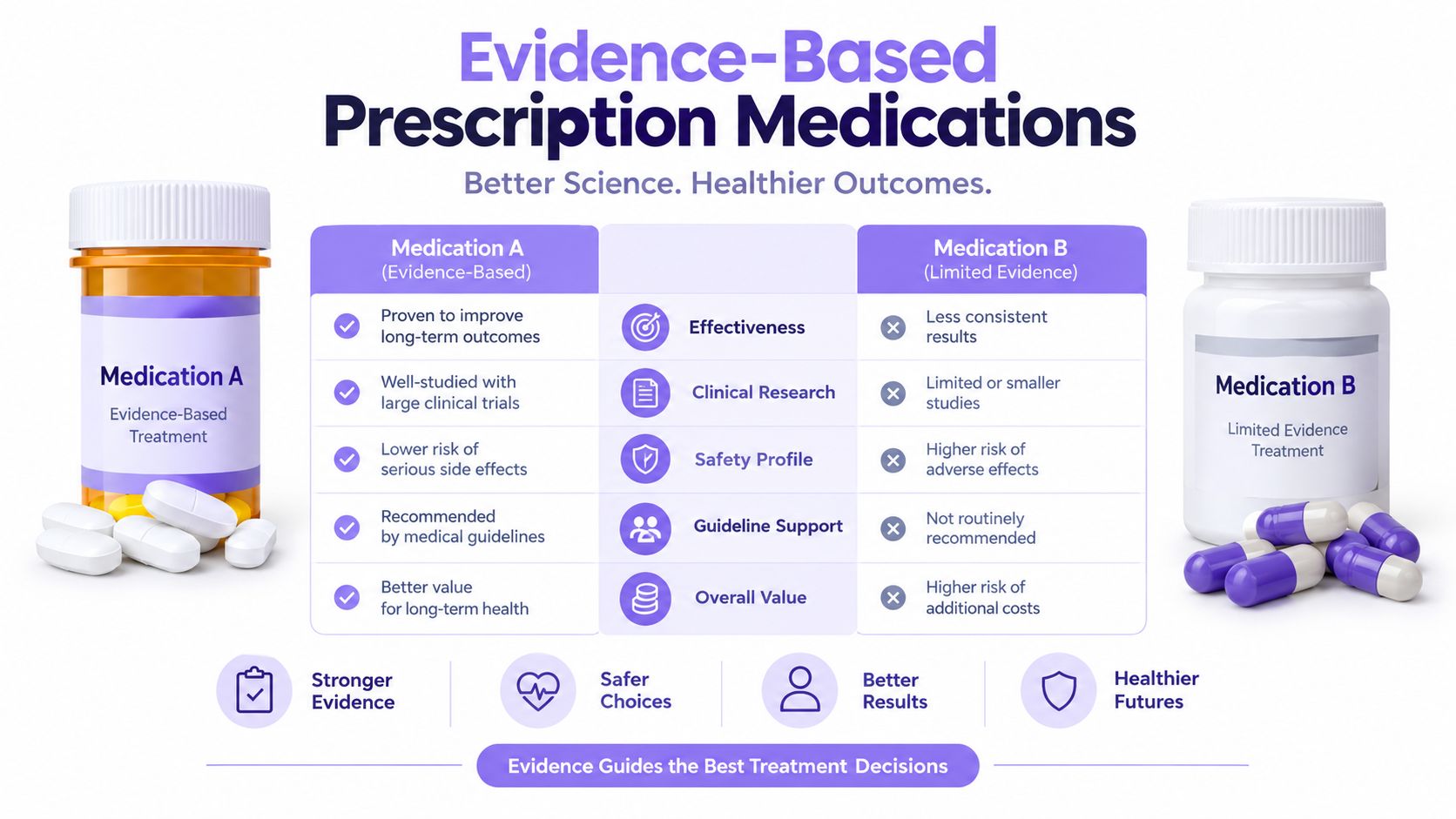
For a more detailed overview of how the medicines differ, read minoxidil and finasteride for hair loss. The important distinction is that medication generally manages the biological process. It doesn't provide an instant cosmetic redesign of the frontal hairline.
Choosing medicine responsibly
Medication may be reasonable when the diagnosis is clear and the patient accepts a long-term routine. It may be less suitable when:
- The diagnosis is uncertain: Other causes need investigation before treatment is selected.
- The patient expects a permanent cure: Both treatments require realistic expectations about maintenance.
- Safety information is incomplete: Finasteride requires a discussion of psychiatric and sexual-health risks.
- The routine isn't sustainable: Missed applications or stopping treatment can undermine any benefit.
The NHS guidance on hair loss and available treatment is a useful starting point for understanding why treatment choice should follow assessment rather than marketing claims.
The following video can provide general background, but it doesn't replace an individual consultation.
In-Clinic Aesthetic and Camouflage Procedures
Medicines and aesthetic procedures address different problems. A medicine aims to influence the course of hair loss over time. An aesthetic appointment may improve presentation, confidence or the appearance of surrounding skin, but it doesn't automatically restore follicles that have been lost.
An in person aesthetics clinic offering botox, dermal fillers, skin boosters and polynucleotides (salmon DNA) may provide treatments for facial aesthetics and skin quality. Those services should be discussed on their own clinical merits. They shouldn't be presented as a substitute for a diagnosis of androgenetic alopecia or as proof that lost hair follicles will regenerate.
Immediate appearance versus biological treatment
Camouflage can include styling, hair fibres, changes to haircut and professional advice about how to reduce contrast between the hair and scalp. These measures can alter appearance quickly, but they don't slow miniaturisation or change the underlying cause.
In-clinic skin treatments may support the condition and appearance of the scalp skin where a clinician considers them appropriate. However, the evidence supplied for standard male pattern hair loss supports finasteride and minoxidil as the main medical options. Botox, dermal fillers, skin boosters and polynucleotides shouldn't be described as established replacements for those treatments.

Where a clinic can add value
A medically led consultation can be useful when someone wants to discuss appearance alongside treatment. The clinician should explain what a procedure is designed to change, what it won't change, whether it is relevant to the scalp, and how it fits with any prescribed medication.
A responsible plan might separate the aims clearly:
| Aim | More relevant discussion |
|---|---|
| Slow ongoing male pattern hair loss | Clinical assessment of finasteride or minoxidil |
| Improve short-term visual presentation | Styling and camouflage options |
| Address a facial aesthetic concern | An appropriate in-clinic consultation |
| Investigate unusual scalp change | GP or dermatology assessment |
Patients considering a clinic should review the practitioner's qualifications, consent process, product information and aftercare arrangements. The hair loss specialist resource can help readers think about the questions to ask before choosing a pathway.
Aesthetic camouflage can be complementary, but it shouldn't create confusion about the difference between looking fuller today and treating the cause of hair loss.
Realistic Timelines and Treatment Limitations
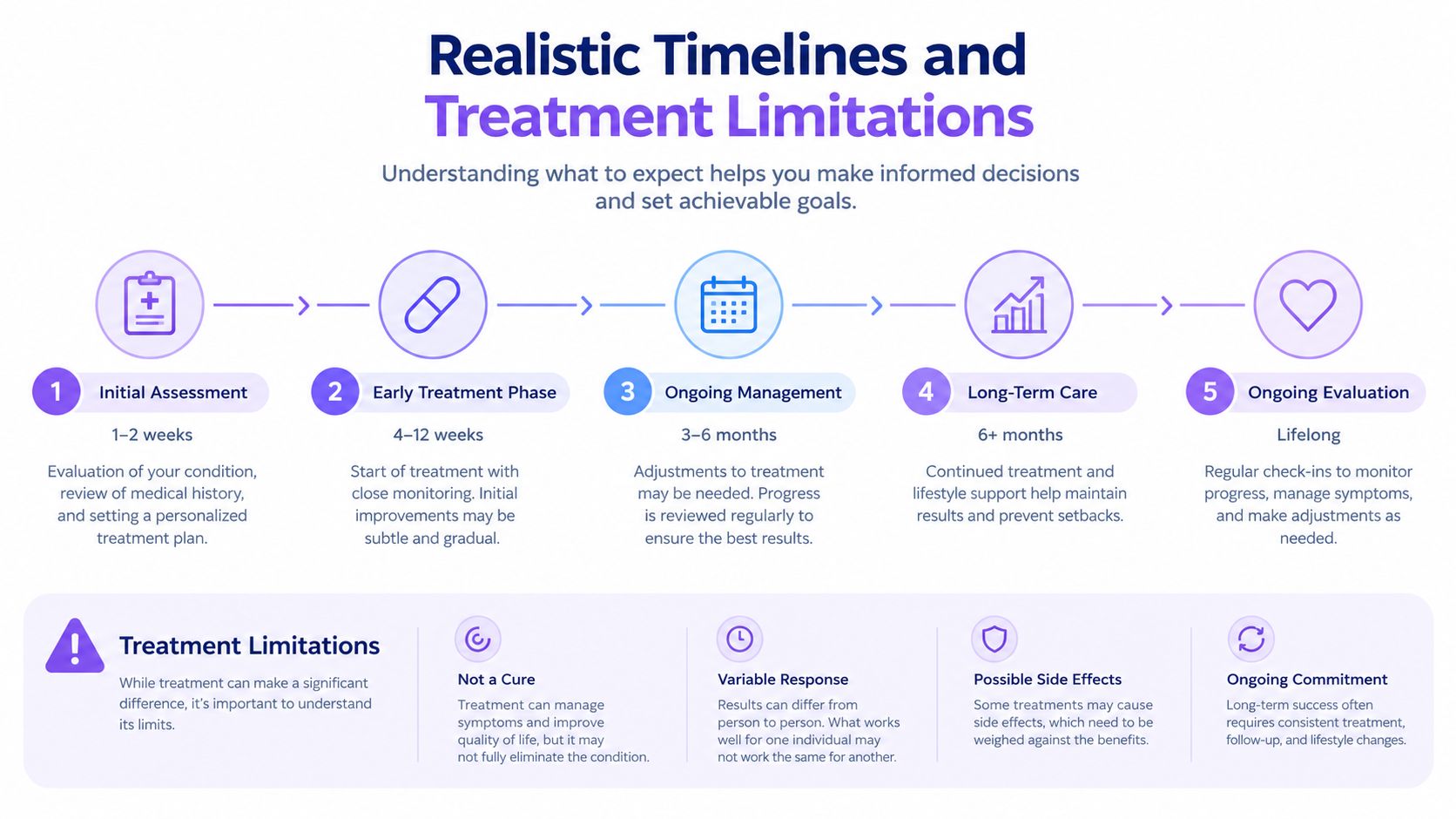
Hair biology doesn't follow the timetable of online advertising. A patient may use a treatment consistently and see no obvious change in the mirror for a considerable period. That doesn't prove failure, but it does mean that early expectations need careful management.
The British Association of Dermatologists states that 5% minoxidil may require at least 6 months, and sometimes 12 months, before benefits become apparent. Finasteride may require continuous use for up to 14 months before a noticeable benefit, according to the same patient guidance. These are treatment timelines, not promises of a particular amount of regrowth.
How to judge progress sensibly
A useful review considers more than whether the hairline looks dramatically different. A clinician may discuss whether recession appears to have stabilised, whether density has changed, whether the treatment is being used as directed and whether unwanted effects have appeared.
Patients can make comparison more reliable by taking photographs in consistent lighting and from consistent angles. Daily mirror checks are poor at detecting gradual change because hair, light, styling and camera perspective vary.
What to expect: The realistic aim is often preservation, slowing progression or partial improvement, not a complete restoration of the original hairline.
What stopping means
Treatment for androgenetic alopecia is maintenance-based rather than curative. Hair loss generally resumes after finasteride or minoxidil is discontinued, and any benefit isn't expected to continue independently of treatment. The NHS also warns that stopping treatment can lead to hair loss returning or progressing.
Regrowth is usually partial at best. The NHS commissioning guidance describes topical minoxidil and oral finasteride as treatments that generally arrest or slow progression rather than completely restore lost hair, with earlier treatment associated with a more favourable outcome. That distinction matters when comparing a daily medicine with a temporary camouflage procedure.
Someone who can't commit to ongoing treatment should discuss that before starting. A prescriber can explain the likely implications of stopping, while a clinic can distinguish a cosmetic, short-term measure from a medical maintenance plan.
Safety Profiles and UK Regulatory Standards
The assumption that an online form guarantees access to finasteride is unsafe. In the UK, finasteride is a prescription-only medicine, and a prescriber must decide whether the patient is suitable. A legitimate UK-registered pharmacy should treat the questionnaire as part of a clinical assessment, not as a box-ticking route to medication.
A pharmacy regulated by the GPhC should have appropriate governance around prescribing, dispensing, patient information and follow-up. Patients should be able to identify who is prescribing, how to raise a safety concern and what happens if the supplied medicine causes a problem.
Finasteride risk discussions
UK medicines-safety information requires clinicians to consider psychiatric and sexual-health risks before prescribing finasteride. Reported adverse effects include:
- Sexual-health effects: Reduced libido, erectile dysfunction and ejaculation disorders have been reported.
- Mood-related effects: Depressed mood, depression and suicidal thoughts have also been reported.
- Action if mood changes occur: MHRA advice for men taking 1 mg for hair loss says to stop the medicine and contact a healthcare professional if depression or suicidal thoughts develop.
The MHRA patient and healthcare professional information on finasteride safety should be read alongside a proper consultation. This isn't a reason for every patient to reject treatment, but it is a reason to make the decision with clear information and appropriate oversight.
Questions to ask an online provider
Before ordering prescribed medication, check:
- Who assesses you? The service should identify the prescriber or clinical team responsible for the decision.
- What diagnosis is being considered? A provider should ask about the pattern and speed of hair loss, not only collect payment details.
- How are risks explained? The consultation should cover relevant psychiatric history, sexual-health effects and what to do if symptoms develop.
- How is the medicine supplied? Confirm that dispensing is through a properly registered pharmacy.
- What follow-up exists? You should know how to contact the service about adverse effects, treatment questions or a change in symptoms.
An online pharmacy can make access more convenient, but convenience doesn't remove clinical responsibility. Rapid, patchy or inflammatory loss should prompt an appropriate healthcare assessment rather than an automatic hair-loss prescription.
Navigating Your Treatment Pathway
A sensible pathway begins by answering a clinical question: does the pattern fit male pattern hair loss? If the answer isn't clear, arrange a GP, dermatology or qualified prescriber assessment before choosing a receding hairline treatment.
Once the diagnosis is established, weigh the options against your priorities:
- If progression is the main concern, discuss whether finasteride or minoxidil is suitable and how long consistent use may be needed.
- If immediate appearance matters, ask about styling or camouflage, while keeping those measures separate from follicle-directed treatment.
- If you're considering an aesthetic clinic, ask exactly what the proposed procedure is intended to do and whether it has a direct role in hair restoration.
- If loss is unusual, prioritise investigation over convenience.
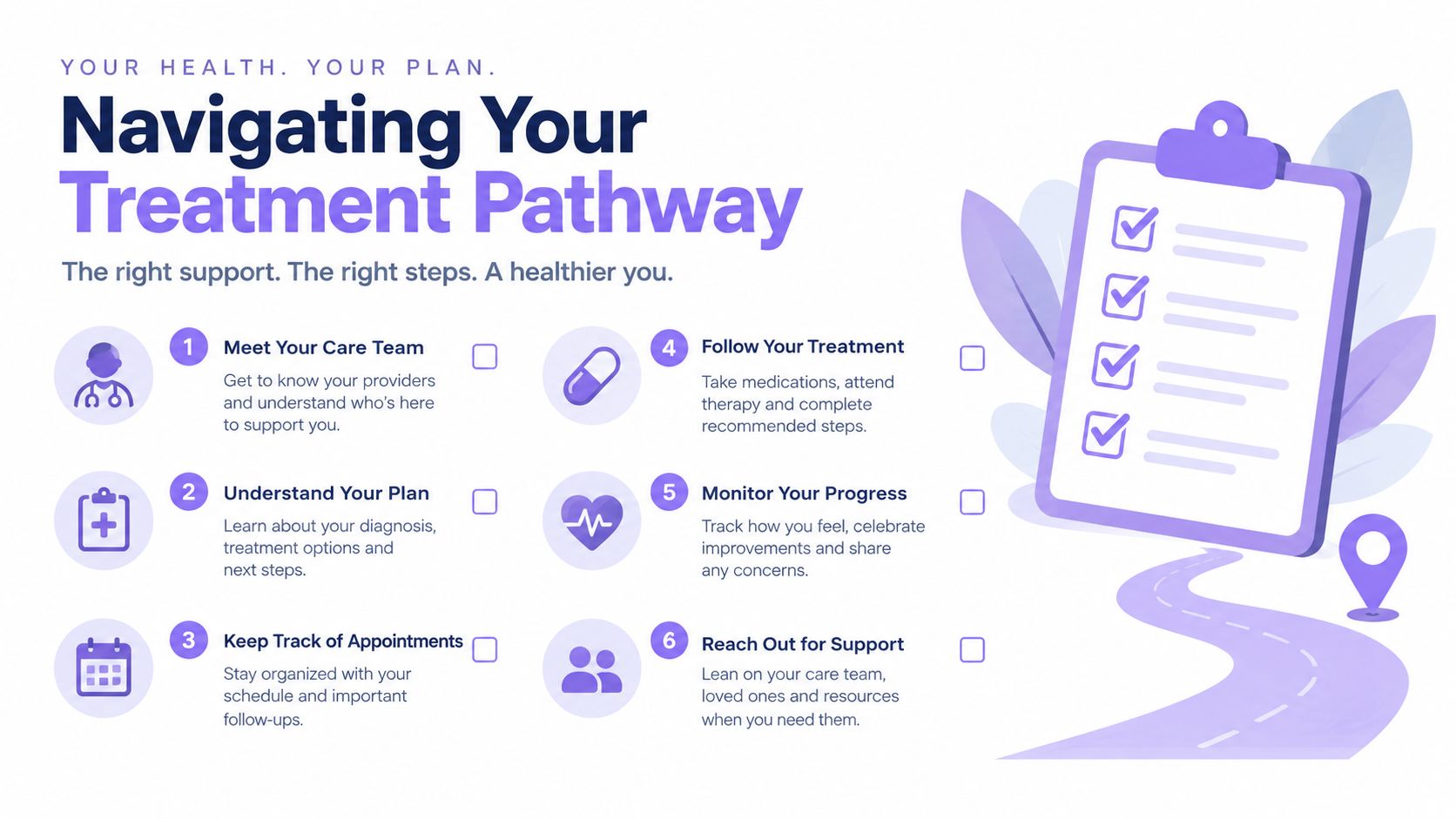
A consultation should cover your history, the appearance and progression of the loss, relevant medicines, expected timelines, possible adverse effects and what follow-up will involve. If medication isn't appropriate or doesn't meet your cosmetic aims, you can separately research surgical hair restoration choices with a suitably qualified specialist. Surgery is a different pathway and requires its own assessment of suitability and expectations.
This content is for informational purposes only and does not constitute medical advice. Always consult a qualified healthcare professional before starting or changing any treatment.
Reviewed by: Qualified UK healthcare professional
Review date: 6 October 2026
XO provides UK online consultations through XO Medical, where UK-registered clinicians assess hair-loss treatment requests and determine whether prescribed medication is clinically appropriate through a GPhC-regulated service. Visit XO to learn about the available healthcare and in-clinic options, then seek personalised clinical guidance before starting or changing treatment.


0 comments