


If you are starting Mounjaro, a common question is, "What should I be eating?" The answer is to focus on nutrient-dense, high-protein foods.
This is not about a restrictive diet. Instead, it is a strategy to work with the medication, helping you preserve essential lean muscle while managing the powerful appetite-reducing effects of this MHRA-approved treatment. This guide provides a clear, UK-focused framework to complement the clinical supervision you will receive from a regulated UK-registered pharmacy.
Your Foundational Guide to Eating on Mounjaro
Optimising your nutrition is key to getting the most out of Mounjaro. This is not just a weight management treatment; it works by mimicking two crucial hormones, GLP-1 and GIP, which significantly slow down digestion. The result is that you feel fuller for longer.
This profound change in how your body processes food means it is important to be mindful of what you eat. The goal is to ensure your body gets all the nourishment it needs, even when you are naturally eating smaller amounts.
A well-planned approach to food can enhance the medication's effectiveness and is also a primary defence against potential side effects. Think of it as building sustainable, healthy habits that support your treatment, rather than a complicated or difficult diet.
The Core Principles of Eating Well on Mounjaro
Your meals should be built around four simple, core principles. This will help you feel better, have more energy, and support your overall health throughout your weight management journey.
-
Lean Protein: Make this the central component of every meal. Protein is vital for maintaining muscle mass, which helps keep your metabolism active. It is also highly effective for satiety, providing a lasting feeling of fullness.
-
High-Fibre Carbohydrates: These are your source for steady, sustained energy. Fibre is also essential for maintaining digestive regularity, which is particularly important as Mounjaro can slow down gut motility.
-
Healthy Fats: These are crucial for hormone production and helping your body absorb certain vitamins. They also play a significant part in helping you feel full for longer.
-
Hydration: This is non-negotiable. Drinking plenty of water is one of the most important things you can do. It supports digestion, helps you manage side effects like constipation, and is fundamental to almost every bodily function.
Focusing on these areas creates the ideal nutritional backdrop for your body to respond well to the treatment. It removes the guesswork from meal times and makes adapting to a reduced appetite more manageable.
Quick Reference: Your Core Food Focus on Mounjaro
This table breaks down the essential food groups to prioritise. Adhering to these will help you achieve the best results and feel your best while on this prescribed medication.
| Food Group | Primary Role | Examples | Key Benefit |
|---|---|---|---|
| Lean Protein | Muscle preservation & satiety | Chicken breast, fish, tofu, lentils, Greek yoghurt | Keeps you full, protects metabolism |
| High-Fibre Carbs | Sustained energy & digestion | Oats, quinoa, brown rice, whole-wheat bread, beans | Prevents energy crashes, aids regularity |
| Healthy Fats | Hormone function & absorption | Avocado, nuts, seeds, olive oil | Supports vitamin uptake & long-term fullness |
| Fruits & Veggies | Vitamins, minerals & fibre | Berries, leafy greens, broccoli, peppers | Provides essential micronutrients & hydration |
By making these foods the foundation of your diet, you are not just eating—you are actively supporting your health and maximising the benefits of your Mounjaro treatment.
If you are considering whether this treatment is right for you, you can explore the Mounjaro options available through a UK-registered online pharmacy after completing a clinical assessment.
This content is for informational purposes only and does not constitute medical advice. Always consult a qualified healthcare professional before starting or changing any treatment.
How Mounjaro Changes Your Relationship with Food
Before discussing what to eat, it is helpful to understand why Mounjaro has such a profound effect on appetite and digestion. It is about biochemistry, not just willpower. Mounjaro is a prescription-only treatment that works by imitating two key hormones your body already produces: GIP (glucose-dependent insulinotropic polypeptide) and GLP-1 (glucagon-like peptide-1).
When these hormone receptors are activated, they send strong "I'm full" signals to your brain. This can be a significant change for many people, as it helps reset the body’s hunger cues. It is the reason you might feel genuinely satisfied with a much smaller plate of food than you used to.
But Mounjaro does not stop at the brain. It also changes the pace of your digestive system, specifically by slowing down gastric emptying. This is the speed at which food travels from your stomach to your small intestine.
What Is Delayed Gastric Emptying?
Imagine your digestive tract is a motorway. Mounjaro acts like a traffic management system, preventing a rush hour. Instead of food moving through quickly, it stays in your stomach for longer. This directly contributes to that lasting feeling of fullness, making it easier to avoid snacking and manage your overall calorie intake.
This slowdown is a major part of why Mounjaro is so effective for weight management. It is also the reason some people experience side effects like nausea, acid reflux, or feeling overly full, especially when they first start the treatment or after a dose increase.
Understanding this connection is key. It allows you to be proactive with your food choices, helping to avoid discomfort and get the most out of your treatment, with guidance from your clinician. If you are curious, you can learn more about how different treatments like Mounjaro and Ozempic impact the body to see how these mechanisms compare.
Why Your Food Choices Matter More Than Ever
Knowing that your stomach empties more slowly makes it clear why what you eat is so important. Heavy, greasy, or highly processed foods are harder to digest and will linger in the stomach, which can make side effects like nausea or indigestion worse.
On the other hand, nutrient-rich foods give your body the vitamins and minerals it needs, even when you are eating less. This is why focusing on lean protein, plenty of fibre, and healthy fats is the most sensible approach.
This is particularly relevant in the UK, where obesity affects a significant portion of the adult population. A mindful diet is a crucial part of making MHRA-approved treatments like Mounjaro work as effectively as possible for eligible patients who have been prescribed the medication.
The infographic below breaks down the key nutritional building blocks that complement how Mounjaro works.
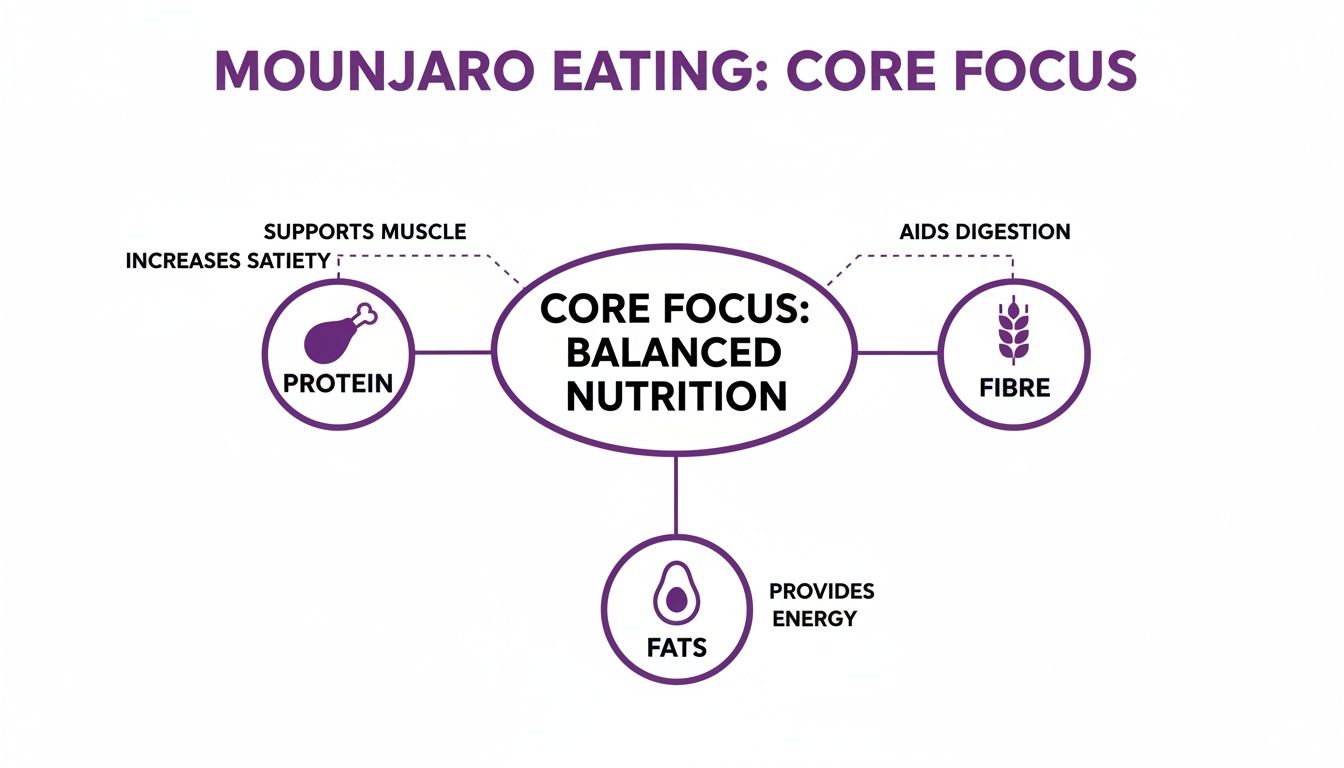
Think of it this way: protein, fibre, and healthy fats are your allies. They provide sustained energy and keep you nourished when your appetite is naturally lower. By matching your diet to how the medication functions, you create the best possible conditions for reaching your health goals safely and successfully.
Building Your Plate: Core Nutritional Principles
Mounjaro is an effective, MHRA-approved medication, but it does not work in isolation. It is a powerful tool that works best when paired with sensible food choices. The goal is not to start a restrictive diet. It is about shifting towards a sustainable way of eating that properly nourishes your body, even when your appetite is reduced.
This focuses on the quality of your food, making sure every bite counts so you get all the nutrients you need in smaller, more manageable portions.
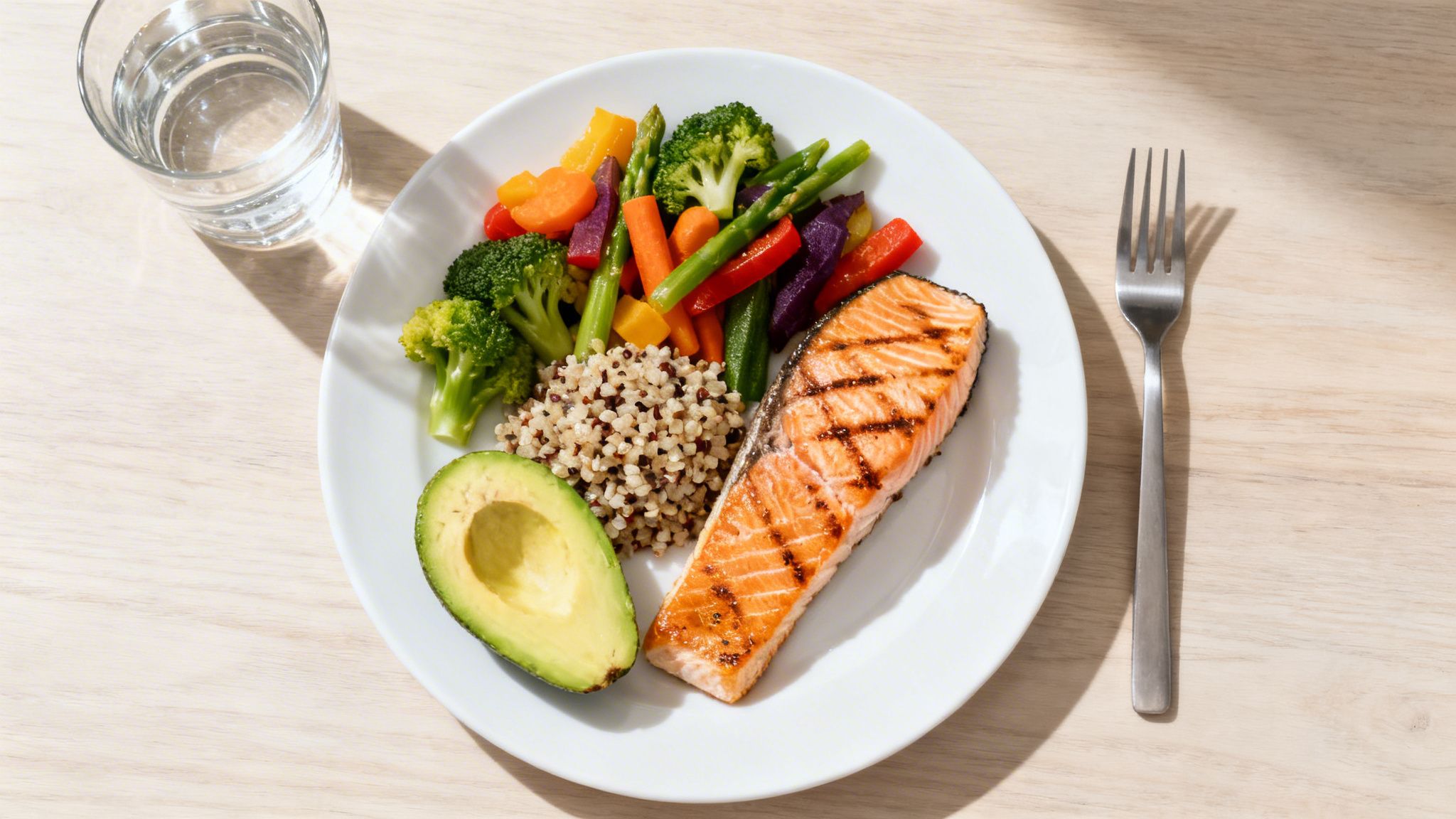
Here, we will walk through a clear nutritional framework built on four key pillars: protein, fibre, healthy fats, and consistent hydration. Understanding how each one helps lets you build balanced meals that not only support the medication but also help you manage side effects and build long-term health. Getting this right is a fundamental part of the journey, especially when using a prescription-only treatment obtained through a GPhC-regulated pharmacy.
Prioritise Lean Protein
Protein should be the central component of your plate when you are on Mounjaro. As you lose weight, you want to lose fat, not muscle. Lean muscle is the engine of your metabolism, and protein is its fuel.
Beyond that, protein is excellent at making you feel full and satisfied. This works well with Mounjaro's own appetite-suppressing effects, creating a powerful combination. A simple but effective strategy is to ensure you have a good source of lean protein with every meal.
Good sources of lean protein include:
- Poultry: Skinless chicken or turkey breast.
- Fish: Salmon, cod, mackerel, and tuna are all excellent choices. Oily fish also provides a boost of omega-3s.
- Plant-Based Options: Lentils, chickpeas, tofu, and tempeh are superb for anyone following a vegetarian or vegan diet.
- Dairy: Low-fat Greek yoghurt and cottage cheese are packed with protein and very versatile.
- Eggs: A nutritional powerhouse that is quick and easy to prepare.
Embrace High-Fibre Foods
Fibre is especially important when taking a medication that slows down digestion. It is your primary tool for promoting regularity and keeping side effects like constipation at bay. It is helpful to know there are two types of fibre, and you should aim to include both.
Soluble fibre (from oats, beans, and apples) helps to slow digestion further, which is good for keeping blood sugar levels stable. Insoluble fibre (from whole grains and vegetables) adds bulk and helps everything move along as it should.
A focus on fibre-rich, complex carbohydrates provides a slow and steady release of energy. This helps you avoid the sharp energy spikes and crashes associated with refined sugars and processed carbohydrates, promoting stable energy levels throughout the day.
Incorporate Healthy Fats
Healthy fats have a crucial role to play in your overall health. They are essential for producing hormones and helping your body absorb key vitamins (specifically A, D, E, and K). Like protein, fats are also effective at helping you feel full.
They are more calorie-dense, so it is important to be mindful of portion sizes. However, this does not mean you should eliminate them. Adding small amounts of healthy fats to your meals can make them far more satisfying and provide long-lasting energy.
Focus on these sources:
- Avocados: Creamy and packed with monounsaturated fats and fibre.
- Nuts and Seeds: A small handful of almonds, walnuts, chia seeds, or flaxseeds makes a great snack or addition to a meal.
- Olive Oil: Stick to extra virgin olive oil for salad dressings and light cooking.
Stay Consistently Hydrated
This one is non-negotiable. Staying properly hydrated is absolutely fundamental when you are taking Mounjaro. Water is involved in every process in your body, from digestion to metabolism. Getting enough fluids is your best defence against common side effects like constipation and can even help reduce feelings of nausea.
The key is to sip water consistently throughout the day. Gulping large amounts all at once might make you feel uncomfortably full. Herbal teas, like peppermint or ginger, are a good way to supplement your fluid intake and can be soothing for your digestive system. Making hydration a conscious priority is one of the simplest yet most powerful things you can do to support yourself during treatment.
Foods to Limit for a Better Mounjaro Experience
Knowing what to eat on Mounjaro is half the battle; knowing what to avoid is just as crucial for feeling your best. This is not a list of "bad" foods, but a practical guide to help you support your body as it adjusts to this MHRA-approved, prescription-only medication.
Remember, Mounjaro slows down how quickly your stomach empties. That means foods you once digested easily might now stay around longer, potentially causing discomfort. The goal is to learn your body's new signals and moderate certain foods to keep side effects at bay, all while under the care of your prescribing clinician.
High-Fat, Greasy and Fried Foods
Foods that are very high in saturated fat, greasy, or deep-fried are notoriously difficult for the body to break down. With your digestion already working at a slower pace, these heavy foods can sit in your stomach for too long. This is often what triggers common side effects like nausea, bloating, indigestion, and acid reflux.
Making a few simple swaps can make a significant difference:
- Instead of fried chicken or fish, try baking, grilling, or steaming it.
- Use small amounts of heart-healthy olive oil instead of butter or lard.
- Try to limit processed meats like sausages and fatty cuts of red meat.
This does not mean you have to give them up forever, but being mindful is key—especially when you are just starting the medication or have recently increased your dose.
Sugary Foods and Refined Carbohydrates
Mounjaro is very effective at helping to regulate your blood sugar, but consuming large amounts of sugary foods and drinks can work against it. Items like sweets, sugary cereals, biscuits, and fizzy drinks can cause sharp fluctuations in your blood glucose and offer very little nutritional value.
These are often called "empty calories" because they do not provide the protein or fibre your body needs to feel full and satisfied, which can undermine your progress.
Cutting back helps stabilise your energy levels and allows the medication to work properly.
Some evidence even suggests that an anti-inflammatory diet can complement your treatment. The typical UK diet can include high amounts of added sugar, which can easily worsen the stomach issues that may affect some people on Mounjaro. Swapping a sugary snack for a handful of antioxidant-rich berries is a simple change that supports your overall health. If you are interested in the data behind these treatments, you can find more insights on weight loss injection statistics in the UK.
Ultimately, it comes down to listening to your body. By reducing the intake of foods that trigger discomfort, you can create a much smoother and more effective treatment journey, all within the safe framework of care provided by your UK-registered pharmacy.
Managing Side Effects with Smart Food Choices
Like any new medicine, starting a prescription-only treatment like Mounjaro can involve an adjustment period. Your body needs time to get used to it, and some temporary side effects like nausea, constipation, or bloating can occur. This is often a direct result of the delayed gastric emptying that makes the treatment so effective for weight management.
The good news is that you are not powerless against this discomfort. Making simple adjustments to what and how you eat can make a significant difference. It is all about choosing foods that are easy on your system while still providing the nourishment you need. Working with your prescribing clinician at a regulated online pharmacy, you can navigate this phase with confidence.
Alleviating Nausea and Indigestion
Nausea is one of the most common side effects people mention, particularly when they first start Mounjaro or after a dose increase. This is understandable, as food is sitting in your stomach for longer than usual. The best way to handle this is to avoid overwhelming your digestive system.
Think small, frequent, and bland. Instead of three large meals, try eating five or six smaller, snack-sized portions throughout the day. This simple change can prevent your stomach from feeling uncomfortably full.
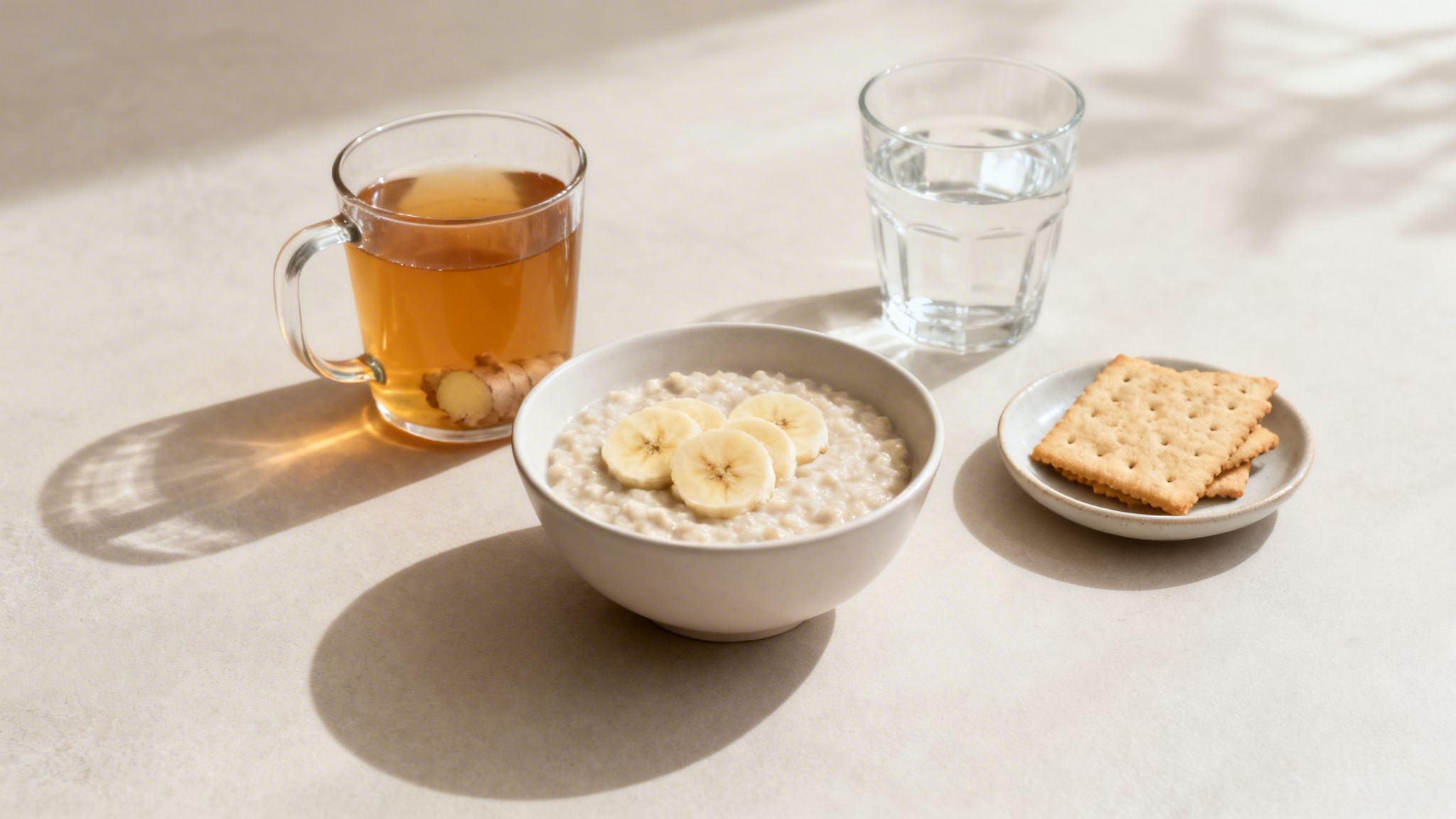
Stick to foods that are easy to digest:
- Plain crackers or a slice of toast can be good for settling a queasy stomach.
- Clear broths or light soups offer gentle nourishment without feeling heavy.
- Bananas, rice, and applesauce are classics because they are very gentle on the gut.
- A warm cup of ginger or peppermint tea can be soothing.
When you are feeling nauseous, it is best to avoid anything too greasy, spicy, or sugary, as these tend to make things worse. Eating slowly and, crucially, stopping when you feel satisfied (not full) is a vital habit to cultivate.
Managing Constipation and Bloating
The same mechanism that helps you feel full—slower digestion—can sometimes lead to constipation. As food moves more slowly through your system, it can affect your regularity. The most effective ways to counteract this are getting more fibre and drinking plenty of fluids.
It is a good idea to introduce high-fibre foods into your diet gradually. A sudden large increase can sometimes backfire and increase bloating, so a slow and steady approach is best.
It is absolutely vital to pair any increase in fibre with more water. Fibre works by absorbing water, which helps to soften and bulk up your stool, making it easier to pass. Without enough water, a high-fibre diet can actually make constipation worse.
Good sources of fibre to add to your shopping list include:
- Oats and wholewheat bread
- Lentils, beans, and chickpeas
- Fruits with the skins on, like apples and pears
- Leafy greens and broccoli
Do not underestimate the power of gentle movement, either. A daily walk can do wonders for stimulating your bowels. If constipation continues to be an issue, make sure to discuss it with your healthcare provider.
The Critical Role of Hydration and Electrolytes
Staying properly hydrated is fundamental to feeling your best while on Mounjaro. It helps with digestion, prevents constipation, and supports your metabolism. Dehydration can worsen feelings of fatigue and nausea, so keeping your fluid intake consistent is non-negotiable.
Try to sip water throughout the day rather than drinking large glasses all at once, which could leave you feeling overly full. Because Mounjaro slows down the digestive system, dehydration is a risk for some users. This makes being proactive about fluids and electrolytes very important.
Aim for 2 to 2.5 litres of water daily. It may also be wise to supplement this with electrolyte-rich foods to maintain your body's balance—think potassium from bananas, sodium from broths, and magnesium from nuts. To get a broader perspective, you can read more about the impact of weight management treatments in the UK and their effects.
By putting these food and hydration strategies into practice under the supervision of your clinician, you can effectively manage the most common side effects of Mounjaro and feel your best as you move forward.
What a Day of Eating on Mounjaro Could Look Like
Theory is one thing, but seeing what a day's worth of meals looks like can make everything clearer. Think of this as a starting point for inspiration, not a rigid set of rules. It is a way to show you how to put together balanced, nutrient-rich meals that work with your Mounjaro treatment.
Everything here can be found in your local UK supermarket, and the meals are straightforward to prepare. This template is all about prioritising protein, fibre, and healthy fats throughout the day, which will help you feel your best while you are under the care of a prescribing clinician.
A Balanced Breakfast
Starting your day with a protein-heavy meal is an excellent strategy for keeping hunger at bay and your energy levels steady.
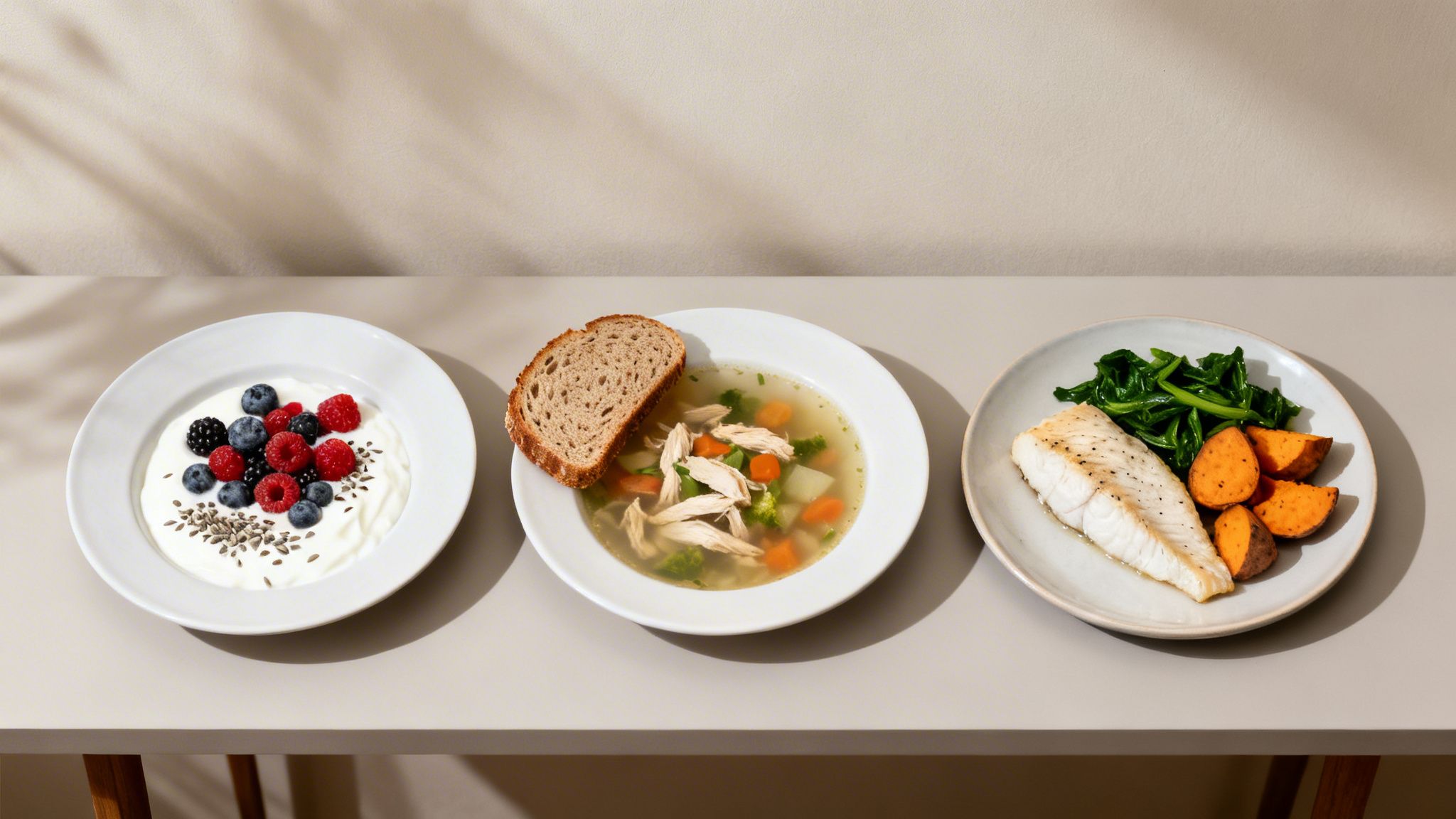
- Meal Idea: A bowl of low-fat Greek yoghurt topped with a handful of mixed berries (raspberries and blueberries work well) and a sprinkle of chia seeds or chopped almonds.
- Why It Works: Greek yoghurt delivers a solid portion of protein. The berries provide fibre and antioxidants, while the seeds or nuts add healthy fats and more fibre, helping you feel satisfied for longer.
This kind of breakfast is also quite gentle on the stomach. It avoids the heavy, greasy foods that can sometimes trigger nausea, especially when you are just starting the medication. You get sustained energy without dramatic blood sugar spikes.
A Nourishing Lunch
For lunch, the theme of lean protein and fibrous vegetables continues. You want a meal that is light but still filling enough to power you through the afternoon without a slump.
- Meal Idea: A chicken and vegetable soup. Use a clear broth and pack it with diced chicken breast and a mix of non-starchy vegetables like carrots, celery, and spinach.
- Why It Works: Soup is hydrating and easy to digest, which is a bonus when Mounjaro is slowing digestion. The chicken provides essential protein, and the vegetables are packed with vitamins, minerals, and fibre. It is a meal that is full of nutrients but will not leave you feeling bloated or uncomfortably full.
A reminder: your portion sizes will probably be smaller than what you are used to. It is important to listen to your body's fullness signals. Stop when you feel satisfied, not full. This is a key skill for long-term success.
A Satisfying Dinner
Your evening meal should round out the day with a balanced plate that gives you the nourishment you need without overwhelming your digestive system before bed.
- Meal Idea: A fillet of baked cod seasoned with herbs, served alongside some roasted sweet potato wedges and a generous helping of steamed green beans or broccoli.
- Why It Works: Cod is a fantastic source of lean protein that is easy for the body to break down. Sweet potatoes provide complex carbohydrates and fibre for a slow, steady release of energy, and the green vegetables add micronutrients. Baking or steaming is a better option than frying, helping you avoid extra fats that can cause discomfort.
Smart Snacking Options
Even though Mounjaro is effective at reducing appetite, you might still have moments where you need something between meals. The goal is to choose snacks that add nutritional value, not just empty calories.
- A hard-boiled egg for a quick protein source.
- A small apple with a tablespoon of nut butter for a mix of fibre and healthy fats.
- A small handful of almonds or walnuts.
- Some sliced cucumber with a small portion of hummus.
These examples show how you can build a day of eating that supports your journey. By focusing on whole, unprocessed foods, you can manage side effects much more effectively and get the most out of your Mounjaro treatment, under the proper guidance of your healthcare team from a UK-registered online pharmacy.
Your Questions Answered: Eating on Mounjaro
It is normal to have questions about diet when you start Mounjaro. This section provides a quick-reference guide for day-to-day queries. While this information is a good starting point, it is designed to complement, not replace, the personalised guidance you will receive from your clinician.
Do I Need to Count Calories on Mounjaro?
For many people, the answer is no. Mounjaro is effective at helping you feel fuller for longer, which naturally leads to eating less. Instead of focusing on numbers, it is often more beneficial to shift focus to the quality of your food.
Concentrate on nutrient-rich foods – such as lean protein, a colourful variety of vegetables, and whole grains. Most people find they automatically reduce their calorie intake without the need for tracking. Your clinician can help you determine the best approach for you.
Can I Still Drink Alcohol?
The best advice is to be sensible and moderate your alcohol intake. Alcohol can be an irritant to the gut, which might make side effects like nausea worse. It also contains 'empty' calories that offer little nutritional value.
If you choose to have a drink, do so in moderation and pay attention to how you feel. It is always a good idea to have an open discussion with your prescriber about your alcohol consumption so they can provide advice tailored to your situation.
What Should I Eat if I am Feeling Nauseous?
Nausea is a common side effect, especially when you first start treatment. When it occurs, think "little and often" and stick to bland, simple foods.
Items like plain crackers, toast, boiled rice, or a banana are usually easy on the stomach. A warm, clear broth can also be comforting. Try to avoid anything greasy, fried, or overly sugary, as they can often worsen symptoms. Sipping water throughout the day is also key to staying hydrated. If nausea persists, ensure you inform your prescriber.
Should I Be Taking Any Vitamin Supplements?
Since you will naturally be eating less, it is wise to consider your vitamin and mineral intake. A well-rounded, balanced diet is always the best way to get what your body needs.
However, depending on your individual circumstances, your clinician or a dietitian might suggest a general multivitamin or a specific supplement. The rule is to never start taking new supplements without first consulting a healthcare professional. For more detailed advice, a UK online doctor consultation can offer the personalised medical guidance you need.


0 comments