


The most popular advice about serums for dry skin is also the least complete: choose a highly concentrated hyaluronic acid product and expect it to solve the problem. Dry facial skin isn't just missing water at the surface. It often reflects a weakened skin barrier that allows water to escape and leaves the skin more exposed to irritants.
A serum can be useful, particularly when it contains humectants such as glycerine or hyaluronic acid. It isn't, however, a substitute for a cream, lotion or ointment that helps reduce water loss. UK dermatology guidance treats dry skin primarily as a barrier-function problem, managed through regular moisturisation rather than one cosmetic product. British Association of Dermatologists guidance on emollient use explains that emollients moisturise and protect the outer layer of skin by helping it retain water.
The practical question isn't just which serum has the most impressive ingredient list. It's whether the product is tolerable, whether it fits into a barrier-supporting routine, and whether your symptoms still look cosmetic rather than medical.
Table of Contents
- The Clinical Reality of Facial Serums
- Understanding Humectants and Skin Barrier Function
- Evaluating Ingredients Beyond the Marketing Hype
- Correct Application and Layering Techniques
- Adjusting Routines for Age and Seasonal Changes
- Recognising When to Seek Professional Clinical Care
The Clinical Reality of Facial Serums
A serum may make skin feel more comfortable and look temporarily smoother, but marketing often gives it a role it can't reliably perform. A lightweight, water-based product delivers ingredients to the outer skin layer. It usually doesn't provide the same protective film as a cream or ointment, so applying it alone may leave water free to evaporate from the stratum corneum.
That distinction matters because the skin barrier has two jobs. It helps keep moisture within the skin and helps limit the entry of irritants. When the barrier is disrupted, frequent cleansing, fragrance, harsh exfoliants, cold air or central heating can worsen tightness and flaking. Adding a serum without reducing those triggers may provide a pleasant sensation without addressing the cause.
What a serum can and can't do
A humectant serum can attract water and support surface hydration. It may be a reasonable first layer after cleansing, especially for someone whose skin feels tight but isn't inflamed, cracked or persistently itchy. The next layer usually matters more than the serum's headline concentration.
A fragrance-free cream or lotion helps slow water loss. A thicker emollient may be more suitable for very dry areas or overnight use, although its texture can be less comfortable during the day. UK guidance recommends applying moisturisers regularly, including when symptoms improve, and covering all relevant skin rather than treating only visibly dry patches.
Practical rule: Treat a serum as one step in moisturisation, not as the entire treatment.
This is also why a product marketed as an “anti-ageing serum” shouldn't automatically be chosen for dry or sensitive skin. The formulation, fragrance, preservatives and other active ingredients may matter more than the positioning. This guide to anti-ageing serum can be read alongside a barrier-first approach, but persistent dermatitis-like symptoms need clinical assessment rather than increasingly complex cosmetic layering.
For sensitive or dermatitis-prone skin, fragrance-free and non-irritating formulations are generally the safer starting point. If a serum stings, increases redness or makes the skin feel hotter, stop using it rather than assuming that discomfort proves the product is working.
Understanding Humectants and Skin Barrier Function
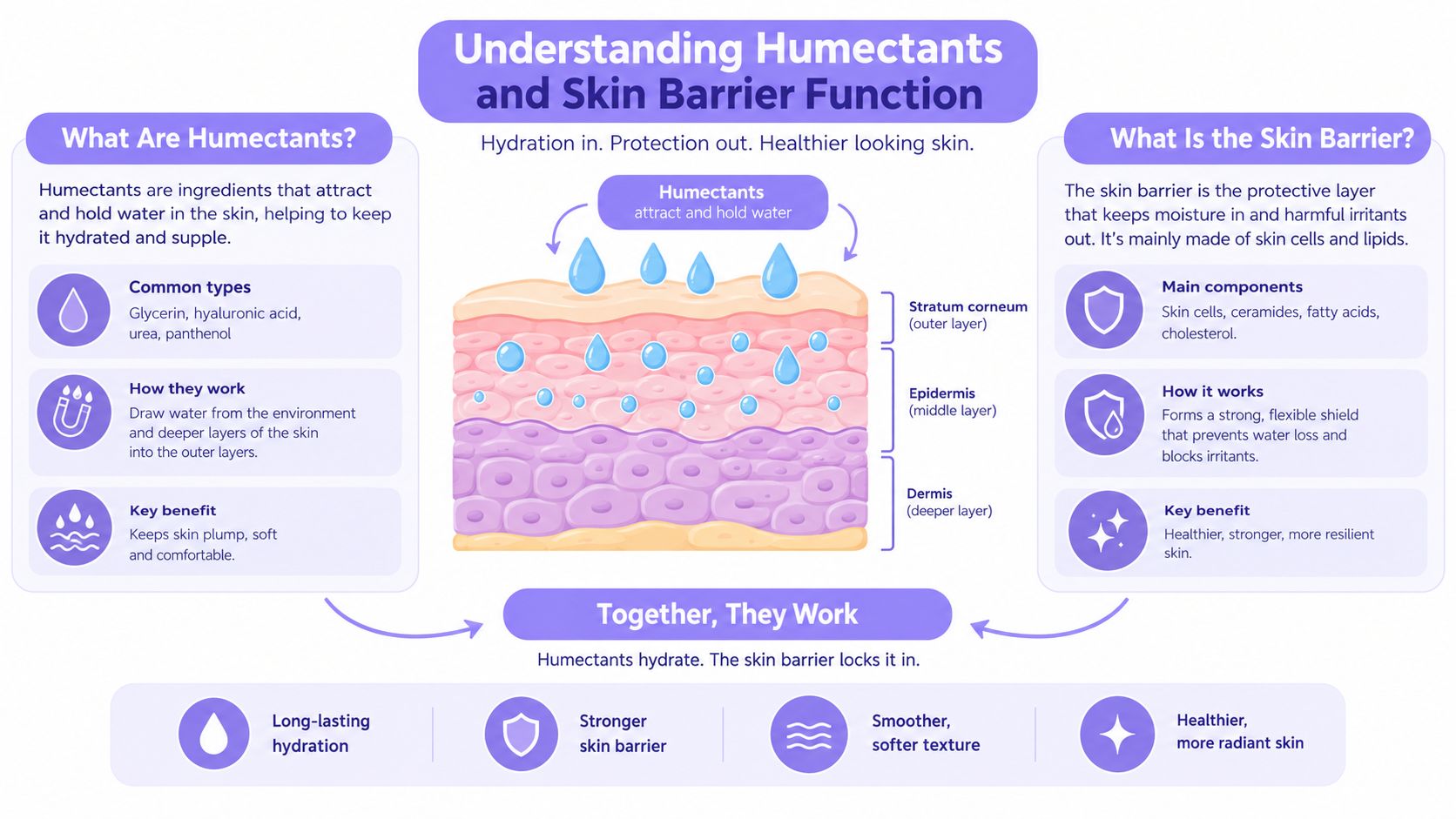
The easiest way to understand a serum is to separate water delivery from water retention. Humectants attract water. Emollients smooth and soften the outer skin layer, while occlusive ingredients help form a film that reduces evaporation. A good routine may use more than one of these functions.
The stratum corneum is the outermost layer of the epidermis. In plain terms, it contains flattened skin cells surrounded by lipids that help limit water loss. When that arrangement is disrupted, water escapes more readily and the surface can become rough, tight and vulnerable to irritation.
Humectants need a supporting layer
Glycerine, also called glycerol, and hyaluronic acid are common humectants. They can improve the skin's water content, but that doesn't mean they create a durable barrier on their own. Applied to slightly damp skin and followed promptly by a cream or ointment, they have a more logical place in a dry-skin routine.
NHS guidance explains that emollients reduce transepidermal water loss by forming a protective film. It recommends leave-on emollients after washing and, where needed, application two to four times daily. NHS advice on contact dermatitis treatment supports the practical sequence of gentle cleansing, a humectant layer on slightly damp skin, then a fragrance-free emollient.
A small serum bottle also shouldn't be confused with full emollient therapy for widespread dryness. NICE-linked UK dermatology guidance recommends applying emollients ideally every four hours, or at least three to four times daily, and states that an adult with generalised eczema may require approximately 600 grams per week, compared with 250 grams weekly for a child. The NICE-linked primary care dermatology guidance makes clear why a facial serum is a targeted cosmetic layer, not a replacement for extensive emollient treatment.
For readers comparing cosmetic formulations, mesoderm rx barrier repair insights offers additional discussion of barrier-focused serum concepts. The same principle applies: an attractive ingredient list doesn't remove the need for a protective moisturiser.
A useful comparison is the role of a hyaluronic acid moisturiser. A serum may feel lighter and deliver a humectant step, while a moisturiser combines hydration with ingredients intended to soften and protect. This explanation of hyaluronic acid moisturiser use is most useful when read as part of that distinction, not as evidence that one ingredient can replace the full routine.
Evaluating Ingredients Beyond the Marketing Hype
Ingredient names can help you understand a formulation, but they don't tell you whether the finished product will suit your skin. A lower-profile, fragrance-free serum that doesn't sting may be more useful than a highly promoted product with several active ingredients that provoke irritation.
Mintel reports that 72% of UK facial-skincare users believe brands use ingredients to encourage people to buy products they don't need. Mintel's UK facial skincare ingredient trends report illustrates why ingredient literacy matters. A headline percentage doesn't establish that a serum will repair a damaged barrier or treat eczema.
A practical ingredient comparison
| Ingredient | Primary function | Suitability for sensitive skin |
|---|---|---|
| Glycerine | Humectant that attracts water | Often a sensible option when the overall formulation is fragrance-free and non-irritating |
| Hyaluronic acid | Humectant that supports surface hydration | May suit sensitive skin, but it still needs a cream or emollient layer |
| Ceramides | Barrier-supporting lipids used in moisturising formulations | Can be useful, although the complete formulation and tolerance remain important |
| Niacinamide | Multifunctional cosmetic ingredient that may support the appearance and feel of the skin | Variable. Lower-irritant formulations may suit some people, while compromised skin may sting |
| Fragrance and essential oils | Added scent or sensory effect rather than a necessary hydration function | More likely to be problematic for fragrance-sensitive or dermatitis-prone skin |
| Denatured alcohol | Solvent and texture modifier in some products | May feel drying or sting when the barrier is already compromised |
Ceramides are more closely aligned with barrier support than a purely humectant serum, but the product still needs to be tolerated. Niacinamide may have a place in a carefully selected routine, yet more active ingredients aren't automatically better. Essential oils and heavy fragrance can complicate the picture by introducing potential irritants or allergens.
Ingredient literacy means asking what the whole formulation does, not counting the number of fashionable actives on the label.
A product described as copper peptide skin therapy should also be assessed carefully for its intended use, evidence and safety information. Yoyime Clinic's information on copper peptide skin therapy is a useful example of why a named active should be considered in context rather than treated as a guaranteed answer for dryness.
Before choosing a serum, check the ingredient list, responsible business details, precautions, batch number and stated purpose. If you have reacted to cosmetics before, patch testing a new product and introducing only one change at a time makes it easier to identify a problem. For the barrier-forming step, this guide to face cream for dry skin is more relevant than comparing serum concentrations in isolation.
Correct Application and Layering Techniques
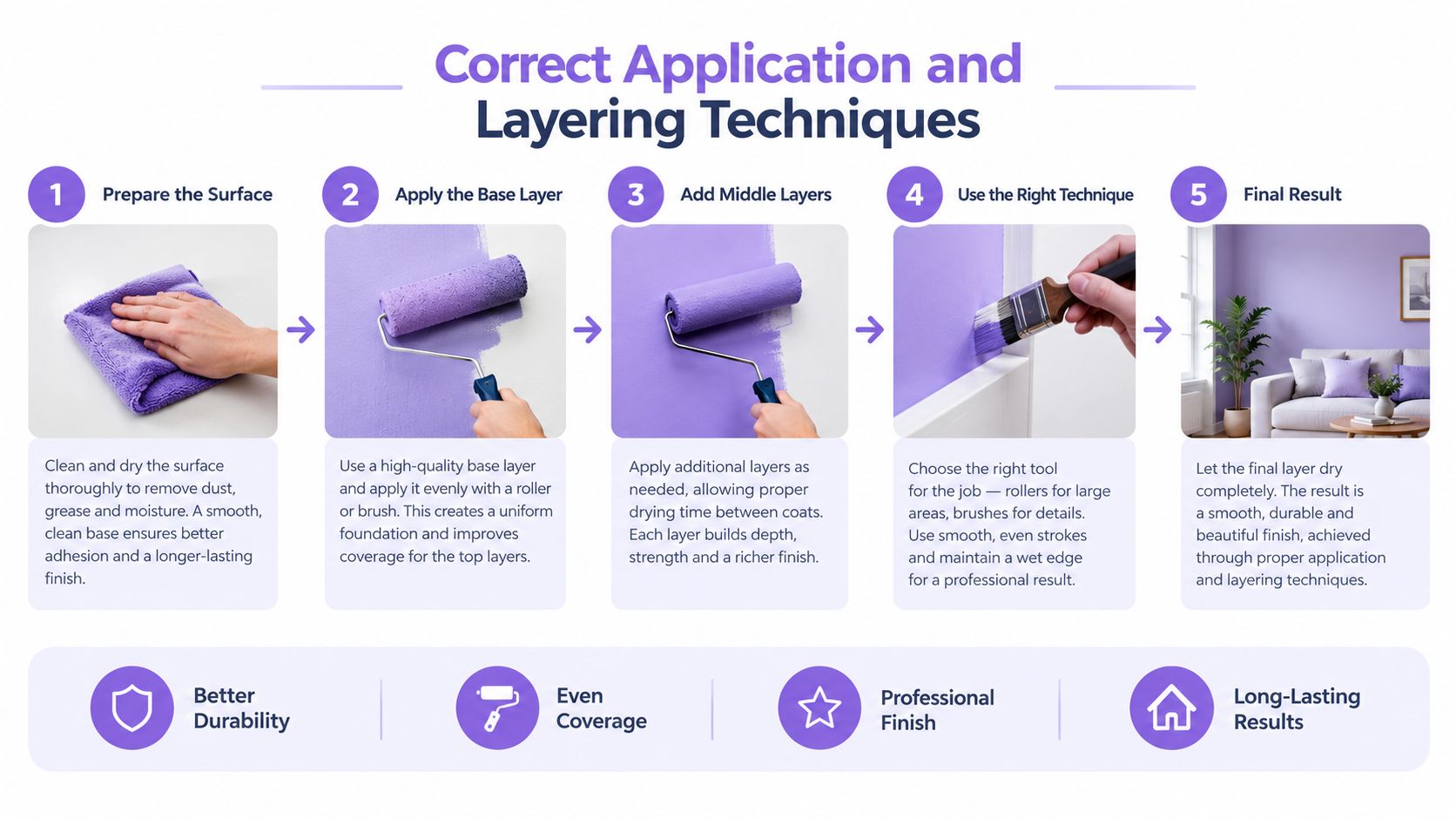
A serum works best when the order of application respects how water is lost from the skin. The aim isn't to apply the most products. It's to use a small number of compatible layers, avoid unnecessary irritation and seal hydration promptly.
A simple routine
- Cleanse gently. Use lukewarm water and an emollient or non-foaming cleanser. Avoid rubbing the face dry, as friction can add irritation.
- Leave the skin slightly damp. Pat rather than scrub. The skin doesn't need to be dripping, but a little residual moisture gives a humectant serum water to bind.
- Apply the serum. Use the amount stated on the label and spread it gently across the relevant facial areas. Stop if it burns, causes marked redness or produces worsening discomfort.
- Seal with a moisturiser. Apply a fragrance-free cream or lotion soon afterwards. This is the layer that helps reduce transepidermal water loss.
- Adjust the final texture. An ointment can be useful at night when dryness is severe. It may be too greasy for daytime facial use, and some people find ointments uncomfortable around hair-bearing areas.
In the morning, keep the routine straightforward and add a suitable sunscreen after moisturising if you use one. At night, a richer cream or ointment may be more practical because you don't need to manage shine or layering beneath cosmetics.
For clinically dry or eczema-prone skin, NHS advice supports applying leave-on emollients after washing and reapplying when the skin feels dry or tight. A serum may be used within that routine, but it shouldn't delay the application of the emollient that provides the more substantial protective function.
Don't add exfoliating acids, retinoids, fragranced oils and several new serums at the same time. If the skin is already sore, simplifying the routine is often more informative and more comfortable than adding another active.
Adjusting Routines for Age and Seasonal Changes
A routine that feels comfortable in mild weather may become inadequate during winter. Cold air, wind and indoor heating can increase tightness and make a lightweight product feel as if it disappears quickly. The sensible response is usually to adjust the cleansing method, moisturiser texture and frequency of application rather than just buying a stronger serum.
In colder conditions, use a gentler cleanser, reduce unnecessary washing and choose a richer fragrance-free cream for areas that feel tight. An ointment may be reserved for the driest patches overnight. The serum can remain, but it shouldn't be the part expected to compensate for every environmental stress.
Menopause requires a wider assessment
Menopause-related dryness deserves more than generic advice to apply hyaluronic acid. In a 2025 survey of patients attending a UK menopause clinic, 76% reported dry skin and 78% reported itchiness. The authors also noted that evidence about how hormone replacement therapy affects skin remains limited. The peer-reviewed UK menopause-clinic research should therefore be read cautiously. It doesn't establish that HRT is a proven treatment for dry facial skin.
A separate UK survey of more than 700 women with eczema or dry skin found that 25% developed eczema for the first time during menopause, while 90% said there was insufficient information about managing menopause-related eczema or dry skin. These figures show why a new or persistent problem shouldn't automatically be labelled dehydration.
When a serum isn't the right answer
Menopausal skin may be dry, sensitive, itchy, inflamed or affected by a newly developing dermatitis pattern. A humectant can improve water content, but it won't diagnose the cause or replace an emollient-led plan when the barrier is damaged.
Seek advice from a pharmacist, GP or dermatology clinician if dryness persists despite a simple routine, particularly when itching, redness, cracking or new-onset eczema appears. Also mention any prescription treatment, because adding multiple cosmetics around a treatment area can make irritation harder to identify.
The most dependable adjustment is often modest: fewer irritants, gentler cleansing, a more protective moisturiser and consistent reapplication. Seasonal change and menopause can alter what the skin needs, but they don't make marketing claims more reliable.
Recognising When to Seek Professional Clinical Care
A serum belongs to cosmetic skincare unless it has been authorised and regulated through the medicines route for a specific medical purpose. It may support the appearance and feel of dry skin, but it shouldn't be presented as curing eczema, dermatitis, allergy or another diagnosed disorder.
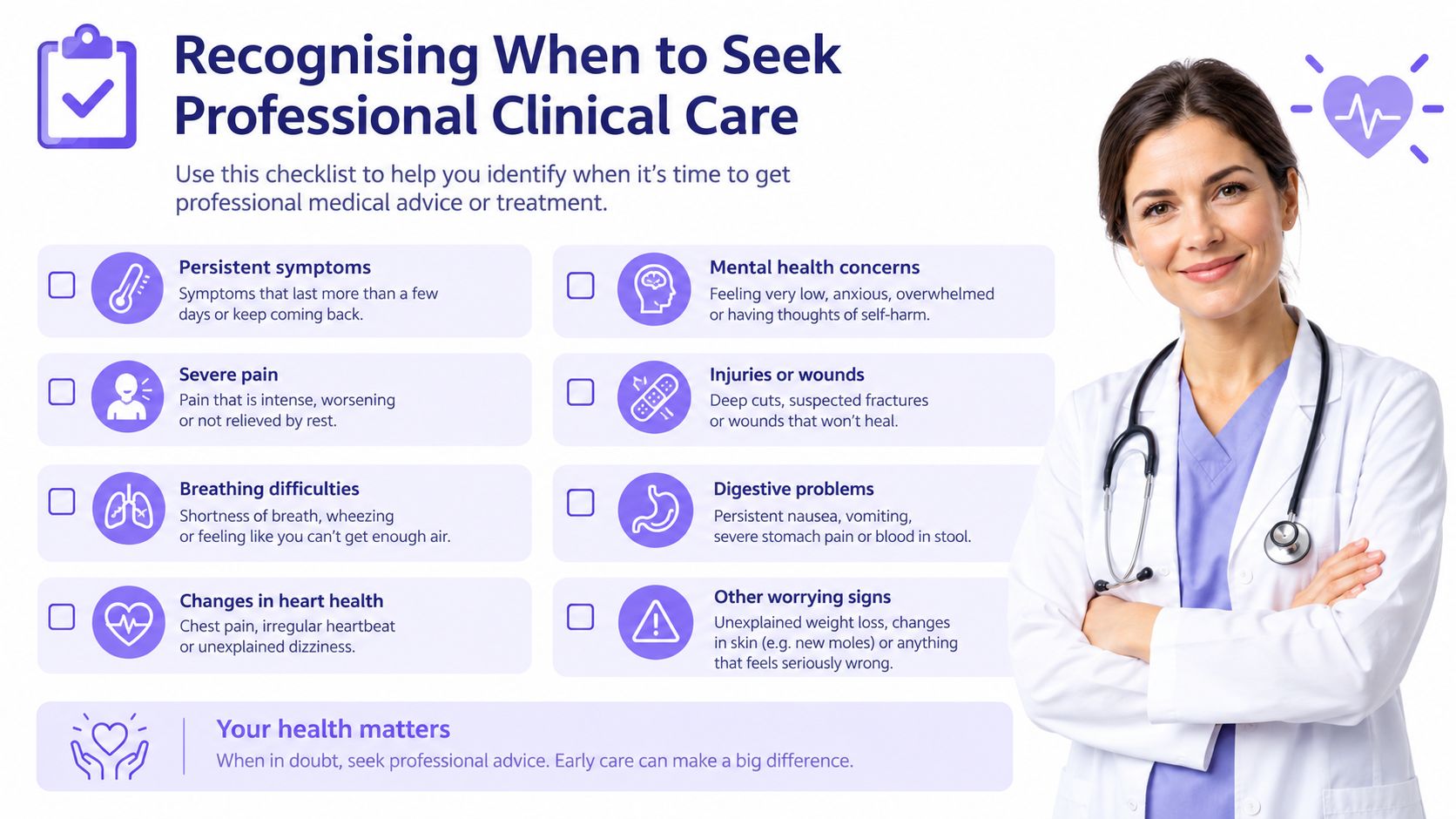
Arrange professional assessment when dryness is persistent, worsening or accompanied by redness, cracking, bleeding, infection, pain, scaling or severe itching. New symptoms after using a product may indicate irritation or contact dermatitis rather than a need for a stronger serum. A clinician can review the distribution, timing and appearance of the problem, take account of other treatments and decide whether prescribed medication is appropriate.
Cosmetic safety isn't the same as medical evidence
GOV.UK states that cosmetic products sold in Great Britain must be safe, undergo a safety assessment by a qualified professional and be notified to the Office for Product Safety and Standards before being made available to consumers. The GOV.UK guidance on consumer products and cosmetics explains the safety and notification framework.
That framework doesn't mean every serum has been clinically tested to treat a medical skin disorder. A cosmetic claim about supporting hydration or improving the appearance of dryness is different from a claim to treat disease. Labels should include ingredients in descending order by weight, the responsible business, relevant precautions, a batch number and other required information. UK cosmetic labelling information provides practical context for checking these details.
A prescription-only treatment requires clinical assessment and prescriber oversight. An online pharmacy should not provide prescribed medication automatically, and a UK-registered pharmacy should operate within the relevant professional and regulatory requirements. If you use an online pharmacy, check that its registration and clinical process are clear and that a qualified clinician assesses whether treatment is suitable.
Some people may also consider medically led procedures through an in person aesthetics clinic offering botox, dermal fillers, skin boosters and polynucleotides (salmon DNA). These procedures aren't interchangeable with a topical serum, and they need an appropriate consultation, clear explanation of benefits and limitations, and professional aftercare. They shouldn't be used to avoid assessment of inflamed, cracked or suspected eczematous skin.
The same caution applies to prescribed medication supplied through a regulated service. A cosmetic product doesn't replace diagnosis, and a prescription-only treatment shouldn't be selected solely from an online product description.
This content is for informational purposes only and does not constitute medical advice. Always consult a qualified healthcare professional before starting or changing any treatment.
XO offers clinician-guided skincare support through XO Medical, a UK-registered online pharmacy regulated by the GPhC, alongside in-person care through XO Clinic. Visit XO to learn how a qualified clinician can assess whether your concerns are suitable for cosmetic guidance, prescribed medication or a medically led consultation.


0 comments