


If you have started treatment with Mounjaro and noticed unpleasant, sulphurous burps (often described as smelling like ‘rotten eggs’), you are not alone. This is a recognised side effect for some individuals and is directly related to how this prescription-only treatment works. The medication is designed to slow the rate at which your stomach empties, which helps you feel fuller for longer. However, this action can sometimes lead to gastrointestinal side effects like sulphur burps.
Understanding Why Mounjaro Can Cause Sulphur Burps
Mounjaro (tirzepatide) is an MHRA-approved medication prescribed for weight management and for the management of type 2 diabetes. Its primary function is to mimic natural gut hormones that help regulate appetite and blood sugar. A key part of this process is delayed gastric emptying—the clinical term for slowing down how quickly food leaves your stomach and moves into the small intestine.
This slowdown is beneficial for weight management as it promotes a feeling of fullness, which can help reduce overall calorie intake. However, this same mechanism can create the conditions for certain digestive side effects.
The Role of Fermentation
When food, particularly food high in sulphur, remains in the stomach for a longer period, it allows more time for gut bacteria to break it down through a process called fermentation. As bacteria ferment the food, they produce various gases, including hydrogen sulphide.
Hydrogen sulphide is the gas responsible for the characteristic ‘rotten egg’ smell. The increased production of this gas, as a result of slower digestion, is the direct cause of this specific side effect for some people using Mounjaro.
It is important to understand that for most individuals, this is a functional side effect directly linked to the medication's mechanism of action, rather than a sign of a more serious issue. While the experience can be unsettling, understanding the underlying process can provide reassurance.
Before exploring management strategies, the key points are summarised below.
Quick Overview: Sulphur Burps and Mounjaro
| Aspect | Explanation for UK Patients |
|---|---|
| Primary Cause | Mounjaro slows down stomach emptying (delayed gastric emptying) to promote satiety. |
| The 'Rotten Egg' Smell | Food, especially high-sulphur items, ferments in the stomach for longer, producing hydrogen sulphide gas. |
| Is It Common? | Yes, this is a known gastrointestinal side effect for some individuals taking GLP-1 receptor agonist medications like Mounjaro. |
| Is It Dangerous? | For most, it is a manageable and often temporary side effect, but persistent or severe symptoms should always be discussed with a clinician. |
Ultimately, sulphur burps are one of several potential digestive changes you might notice during your treatment journey.
This side effect can be exacerbated by certain foods, and understanding the general causes of digestive discomfort can be helpful. You can learn more about common triggers by reading about bloating after eating causes, triggers, and practical fixes.
Managing this side effect typically involves mindful dietary choices and practical lifestyle adjustments. Any changes should be discussed with your UK-registered clinician. At a UK-registered pharmacy, a prescriber can provide advice tailored to your specific circumstances, ensuring your treatment is as safe and effective as possible.
The Science Behind Mounjaro and Digestion
To understand side effects like sulphur burps, it is useful to examine how Mounjaro (tirzepatide) functions within the body. Mounjaro is a dual GIP and GLP-1 receptor agonist. This means it is designed to interact with key hormones that control metabolism and the digestive system.
Mounjaro acts to slow down the passage of food from the stomach. This process is clinically termed delayed gastric emptying.
How Does This Cause Burps?
This digestive slowdown is a primary reason Mounjaro is effective for weight management. By retaining food for longer, your stomach sends signals of fullness to your brain, which can help you feel satisfied with smaller portions and naturally lead to reduced calorie consumption. This is a core feature of the treatment.
However, a consequence of this is that the bacteria residing in your gut have an extended period to ferment the food. If you have consumed foods rich in sulphur compounds—such as red meats, eggs, broccoli, or onions—this fermentation process can produce hydrogen sulphide gas. This gas is what gives sulphur burps their distinct 'rotten egg' odour.
This diagram illustrates how the medication's primary action can lead to this specific side effect.
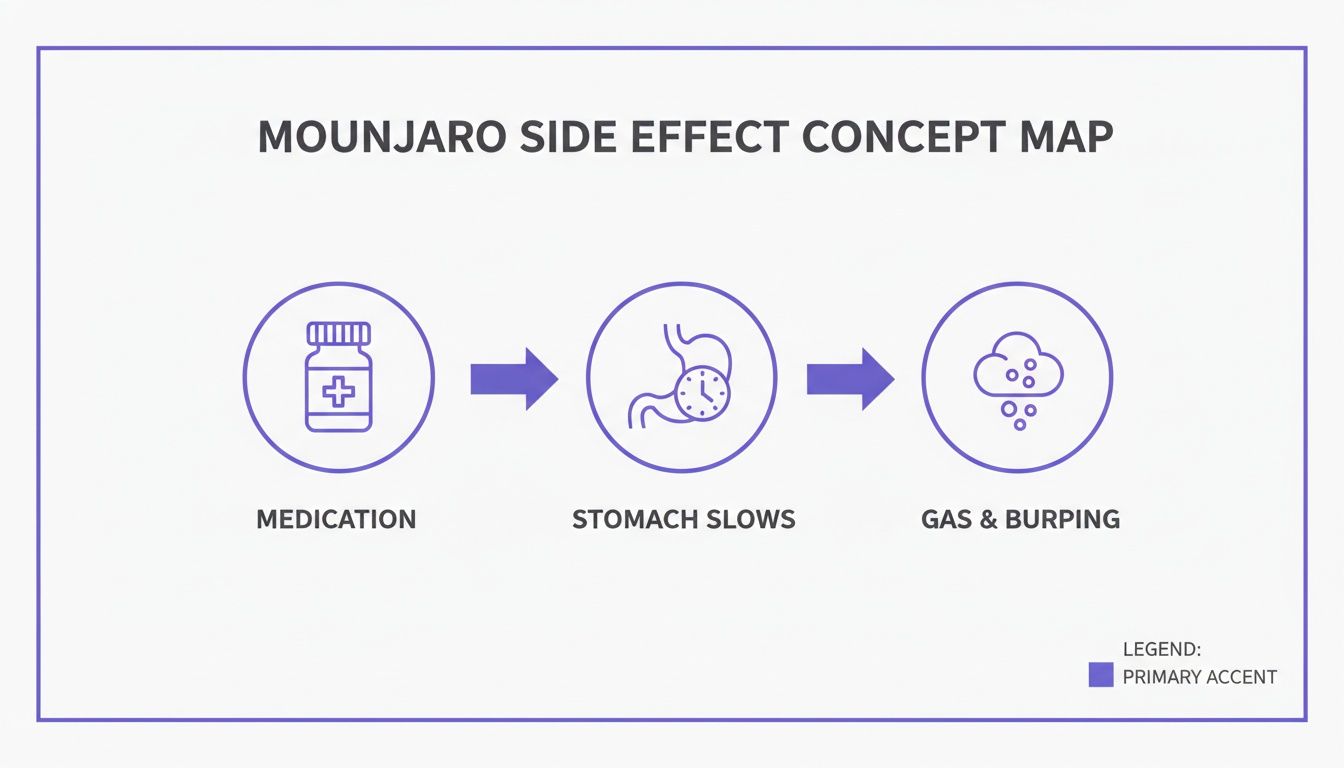
As shown, it is a direct sequence of events: the medication slows digestion, which allows food more time to ferment, potentially leading to the production of odorous gas.
Mounjaro's Dual-Hormone Action
Mounjaro's uniqueness lies in its dual-action mechanism, mimicking two distinct gut hormones, GIP and GLP-1, which are instrumental in controlling blood sugar and appetite. Most clinical research focuses on these primary therapeutic effects. While studies confirm Mounjaro's mechanism, they may not detail the specific incidence of every potential gastrointestinal side effect, such as sulphur burps.
Recognising that this digestive slowdown is an intended part of the process is the first step. It is not a sign that something is wrong; it is a direct consequence of the medication working to support your weight management goals.
Understanding the 'why' makes it easier to manage the symptoms and empowers you to make informed dietary adjustments, which should always be discussed with your clinician first. It can also be useful to see how Mounjaro compares to other treatments. For a broader perspective, you may wish to read our guide comparing Ozempic vs Mounjaro.
Starting any prescription-only medication is a collaborative process. Maintaining an open dialogue with your healthcare provider ensures that any side effects are managed appropriately, prioritising your health and comfort.
Dietary Strategies to Help Manage Sulphur Burps
While Mounjaro is working, you can take proactive steps to manage sulphur burps. The foods you choose to eat—and those you avoid—can significantly influence the frequency and intensity of this side effect. The goal is not a restrictive diet but a more mindful approach to identifying personal triggers.
Because Mounjaro slows digestion, certain foods may linger for longer, giving gut bacteria more opportunity to produce hydrogen sulphide gas. The first step towards relief is identifying which foods are the likely contributors.
High-Sulphur Foods to Be Mindful Of
Foods rich in sulphur compounds are often the main cause. Many of these are nutritious, so the aim is not to eliminate them permanently but perhaps to reduce their intake temporarily to see if symptoms improve.
Common high-sulphur foods include:
- Protein Sources: Red meat (e.g., beef, lamb), poultry, eggs, and dairy products like milk and cheese.
- Certain Vegetables: Cruciferous vegetables such as broccoli, cauliflower, cabbage, and Brussels sprouts.
- Alliums: This group includes onions, garlic, leeks, and shallots.
- Legumes: Beans, lentils, and chickpeas can also be a factor.
It may also be beneficial to limit greasy, high-fat, and very sugary foods. These can further slow an already sluggish digestive system, potentially worsening discomfort and gas.
Keeping a simple food diary can be a highly effective tool. Note down what you eat and when, alongside any symptoms you experience. Over time, this can help you and your clinician identify patterns and specific food triggers, avoiding the need to eliminate entire food groups based on assumption.
Building a More Tolerable Diet
The table below provides a simple starting point for making dietary swaps. By temporarily limiting some high-sulphur foods, you can assess what works best for your body.
Foods To Consider Limiting Versus Foods To Favour
| Foods That May Worsen Symptoms (High-Sulphur) | Foods To Favour (Lower-Sulphur) |
|---|---|
| Red meat (beef, lamb) | Fish, tofu |
| Eggs and high-fat dairy (cheese, full-fat milk) | Lean poultry, low-fat dairy |
| Broccoli, cauliflower, Brussels sprouts | Carrots, courgettes, cucumbers |
| Cabbage, kale | Sweet potatoes, spinach |
| Onions, garlic | Herbs like parsley and basil for flavour |
| Beans, lentils | Rice, oats |
| Fried, greasy, or very sugary foods | Grilled, baked, or steamed foods |
| Carbonated drinks | Still water, herbal teas (e.g., peppermint) |
Making such swaps can reduce the digestive load, which may significantly decrease the likelihood of excessive gas build-up.
A balanced eating plan is essential for supporting your weight management goals and maintaining gut health. When making dietary adjustments, it is also important for Mounjaro users to ensure they are receiving the essential nutrients for GLP-1 users to fully support their body.
For a more comprehensive overview of nutrition while using this treatment, please see our guide on what to eat on Mounjaro. As always, consult your UK prescriber before making significant changes to your diet.
Practical Lifestyle Adjustments and Self-Care
In addition to modifying what you eat, simple adjustments to your daily routine can significantly improve digestive comfort while taking Mounjaro. How you eat is often as important, especially when a prescribed medication is slowing down digestion.

A more mindful approach to mealtimes is key. This helps to avoid overwhelming your digestive system, which is crucial for keeping side effects like sulphur burps under control.
Adjusting Your Eating Habits
Instead of consuming three large meals a day, consider eating smaller, more frequent portions. This simple change means your stomach has less to process at any one time, which can ease pressure and help minimise gas build-up.
Chewing food thoroughly is another important factor. Taking time to chew well allows digestive enzymes to begin breaking down food before it reaches your stomach. Eating slowly also reduces the likelihood of swallowing excess air—a common cause of bloating and burping.
Adopting these small, consistent habits helps to create the best possible conditions for comfortable digestion. They support the effects of your treatment by working in harmony with the changes in your gastric motility.
Supporting Digestion After Meals
Your actions after eating also matter. Posture and activity levels can play a vital role in digestive comfort.
- Remain Upright: Avoid lying down for at least two hours after a meal. Staying seated or standing allows gravity to assist in keeping stomach contents and acid in their proper place.
- Incorporate Gentle Movement: A short, gentle walk after eating is an excellent way to stimulate digestion. A strenuous workout is not necessary; a simple stroll is sufficient.
- Stay Hydrated with Water: Adequate hydration is fundamental for a healthy gut. Sipping water between meals, rather than with them, can help you stay hydrated without overfilling your stomach during mealtimes.
These are practical, easy-to-implement strategies that can empower you to manage your comfort. As with any aspect of your treatment, it is advisable to discuss these lifestyle adjustments with your clinician at a UK-registered pharmacy, which is regulated by the GPhC, to ensure they align with your overall care plan.
When to Speak to Your UK Prescriber
While sulphur burps are typically a manageable and temporary side effect of Mounjaro, it is important to know when to seek professional medical advice. Most minor gastrointestinal issues will resolve, but a key part of using any prescription-only treatment safely is listening to your body and recognising when something may not be right.
An open and honest dialogue with your clinician is the foundation of a safe treatment plan. If side effects are persistent, severe, or are negatively impacting your quality of life, a clinical review is the most appropriate next step.
Recognising ‘Red Flag’ Symptoms
There are certain symptoms that, if they occur alongside sulphur burps, should prompt you to contact your prescriber without delay. These are often referred to as 'red flags' as they could indicate a more serious issue that requires medical assessment.
You should seek advice if you experience any of the following:
- Severe or persistent abdominal pain: This refers to intense, continuous, or worsening pain in your stomach, not mild cramping.
- Persistent vomiting: An inability to keep fluids down can lead to dehydration and other complications.
- Signs of dehydration: Symptoms include dizziness, a very dry mouth, reduced or no urine output, and feeling unusually tired or confused.
- Significant discomfort: If the symptoms are severe enough to interfere with your daily activities, it is time to seek medical advice.
These symptoms require evaluation by a qualified clinician to rule out other causes and to ensure that your current treatment remains a safe and appropriate option for you.
Your prescriber is your partner throughout your treatment. Do not hesitate to contact them if something feels wrong. It is always better to seek reassurance and professional guidance than to worry or, importantly, to stop your medication without first consulting a professional.
Why Ongoing Clinical Support Matters
Managing potential side effects is an integral part of using MHRA-approved medications like Mounjaro. Your prescriber is available to offer personalised advice, suggest adjustments to your routine, or provide necessary reassurance. Their role is to ensure your treatment is not only effective but also well-tolerated.
Receiving a prescribed medication involves more than a single consultation. You can learn more about this ongoing clinical relationship by reading about the role of a UK online doctor prescription service. This continuous support is vital for patient safety and is a fundamental component of the care provided by any regulated service. Your clinician will assess your symptoms in the broader context of your health to ensure you receive the most appropriate advice.
Mounjaro and Sulphur Burps: Frequently Asked Questions
When starting a new medication, it is normal to have questions about potential side effects. Here, we address some of the most common queries from patients in the UK regarding Mounjaro and sulphur burps, providing clear, evidence-based information.
Are sulphur burps a dangerous side effect of Mounjaro?
For most people, sulphur burps are an unpleasant nuisance rather than a sign of danger. They are typically an indication that Mounjaro is working as intended by slowing down digestion. Therefore, on their own, they are not usually a cause for concern.
The key is to monitor for other symptoms. If the burps are accompanied by severe or persistent abdominal pain, persistent vomiting, or a level of discomfort that disrupts your daily life, you must contact your prescriber promptly. These associated symptoms could indicate a more serious issue requiring clinical assessment.
How long do sulphur burps last with Mounjaro?
The duration varies between individuals. It is common for gastrointestinal side effects to be most pronounced when first starting Mounjaro or following a dose increase as advised by your clinician.
For many people, these symptoms lessen or resolve completely over a few weeks as their body adjusts to the prescribed medication. If they persist for longer or become difficult to manage, you should discuss this with your prescribing clinician. They can review your situation and determine the appropriate next steps.
Can I use over-the-counter remedies for relief?
While it may be tempting to use over-the-counter products for gas and bloating, it is essential that you speak with your clinician or a pharmacist at a UK-registered pharmacy first.
Products such as antacids or those containing bismuth subsalicylate (e.g., Pepto-Bismol in some countries) could potentially interact with Mounjaro or may not be suitable for the specific cause of your symptoms. A healthcare professional can advise on what, if anything, is safe to use alongside your prescription-only treatment, ensuring your entire care plan remains cohesive and safe.
Your prescriber has a comprehensive overview of your health and treatment. Always consult them before adding any new medicines to your regimen—including those available without a prescription—to ensure compatibility.
Will stopping Mounjaro make the sulphur burps go away?
If Mounjaro is the direct cause of the sulphur burps, then discontinuing the medication would likely resolve the issue. However, this decision must be made in consultation with your healthcare provider.
You should never stop a prescribed treatment abruptly or without medical advice. Doing so can disrupt your care plan. Your clinician can discuss the benefits and risks, help you manage your health safely, and explore alternative options if the side effects are proving too challenging.
Is there any way to know if I will get this side effect?
Unfortunately, it is not possible to predict who will experience sulphur burps with Mounjaro. Individual responses to medication vary and can depend on factors such as genetics, diet, and general gut health.
The Patient Information Leaflet provided with your MHRA-approved medication lists all potential side effects, with gastrointestinal issues like burping, nausea, and diarrhoea being commonly reported. While specific UK data on the incidence of sulphur burps may be limited, it is a known side effect linked to the drug's mechanism of action.
What is the best way to discuss this with my prescriber?
When you speak to your clinician, being as specific as possible is helpful. A useful approach is to keep a simple diary for a few days. Note when the burps occur, their severity, what you ate around that time, and any other symptoms you are experiencing.
Bring these notes to your consultation, whether it is conducted via an online pharmacy or in person. This provides your clinician with a clear picture of your experience. With this information, they can offer the most effective advice, whether that involves dietary adjustments, lifestyle changes, or a review of your dose. Clear communication is a cornerstone of safe and successful treatment.
At XO Medical, we believe that support should not end once a prescription is issued. If you have questions about Mounjaro or any other aspect of your care, our UK-registered clinicians are available to provide confidential, expert guidance. Begin your secure online consultation today to explore safe and effective treatment options designed for you. Learn more about our services at xo-co.uk.
This content is for informational purposes only and does not constitute medical advice. Always consult a qualified healthcare professional before starting or changing any treatment.


0 comments